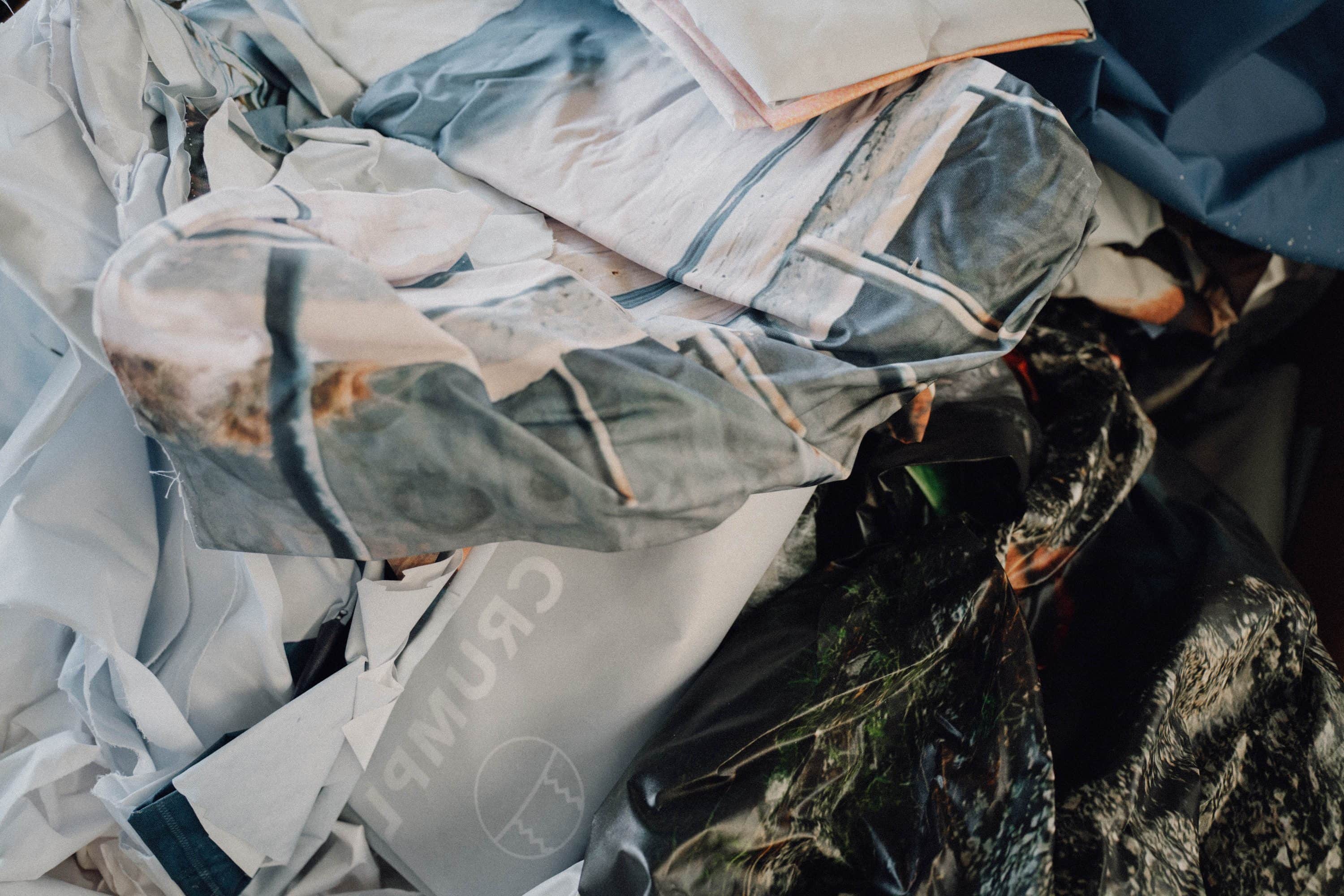
The invisible part of the material cycle: What distinguishes take-back, recycling, and circular economy

BLOG
Sustainability

What distinguishes take-back, recycling, and circular economy

6. April 2026

The invisible part of the material cycle: What distinguishes take-back, recycling, and circular economy

Most companies know how their advertising textiles are produced. However, what happens to them once they disappear from the sales floor or shop window often remains a blind spot in the value chain.

From that moment on, companies make decisions that go far beyond mere disposal. They determine whether a material ultimately becomes waste or whether it can continue to circulate as a resource through further usage cycles. It is precisely at this stage that the differences between take-back, recycling, and true circularity become evident.

What legally defines a recycling company

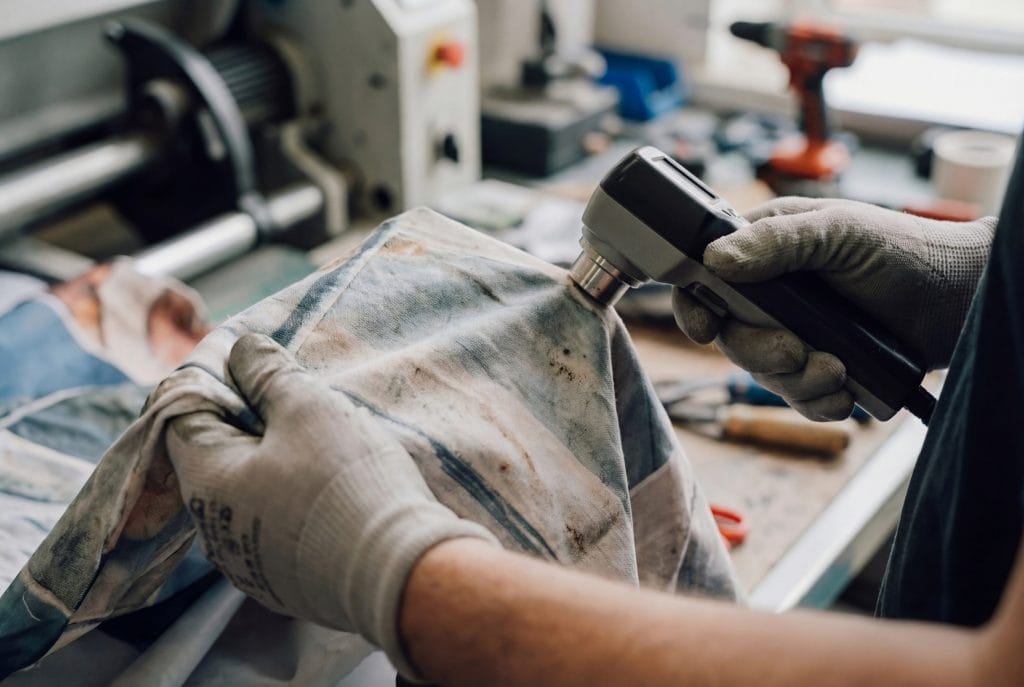
Under Austrian waste legislation, the term “recycling company” is clearly defined. Companies that merely collect or take over waste are classified as waste collectors. Only with registration as a waste treatment operator are they permitted to sort, process, or materially recover waste.

In practice, this means that not every company that takes back or collects materials is automatically part of a recycling process. Actual processing is subject to official authorization.

In the printing industry, this combination is rarely found: TREVISION is registered both as a waste collector and as a waste treatment operator, enabling the company to cover all process steps in-house — from take-back to material recovery. This structure is not common in the industry but is essential to ensure that the entire process is legally compliant and technically traceable.
Why registration in the EDM portal is essential

Austrian waste legislation is built on transparency: all organizations authorized to carry out material recovery are registered in the federal EDM portal. This registry clearly indicates the role a company is permitted to assume within the recovery process.

This leads to a clear conclusion: the commonly used statement “we take back our prints” is not an indication of recycling. While companies are allowed to take back products, they must subsequently transfer them to registered collectors or treatment operators. In many cases, this results in thermal recovery. For a robust circular economy concept, take-back alone is therefore not sufficient. It neither ensures a closed material loop nor delivers meaningful CO₂ benefits.
How circular economy differs from recycling

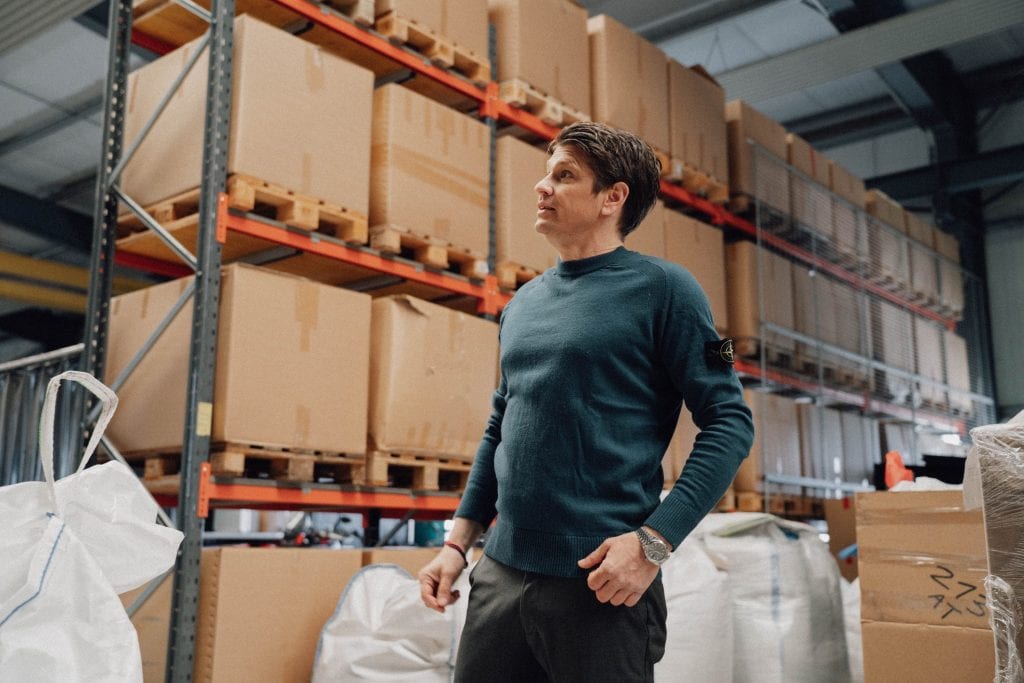
Recycling describes a single stage of material recovery. Circular economy goes further: its objective is to keep materials in circulation for as long as possible and enable multiple usage cycles. This requires control over the entire material flow — from the original advertising textile to the product made from recycled material, which is then returned into the cycle.

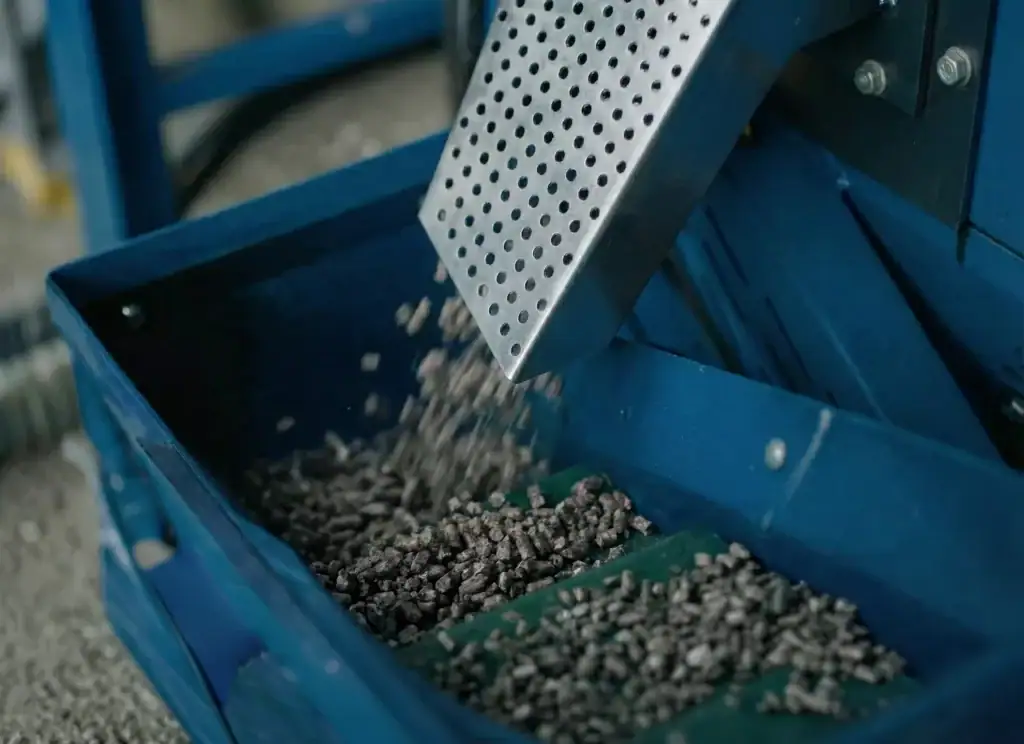
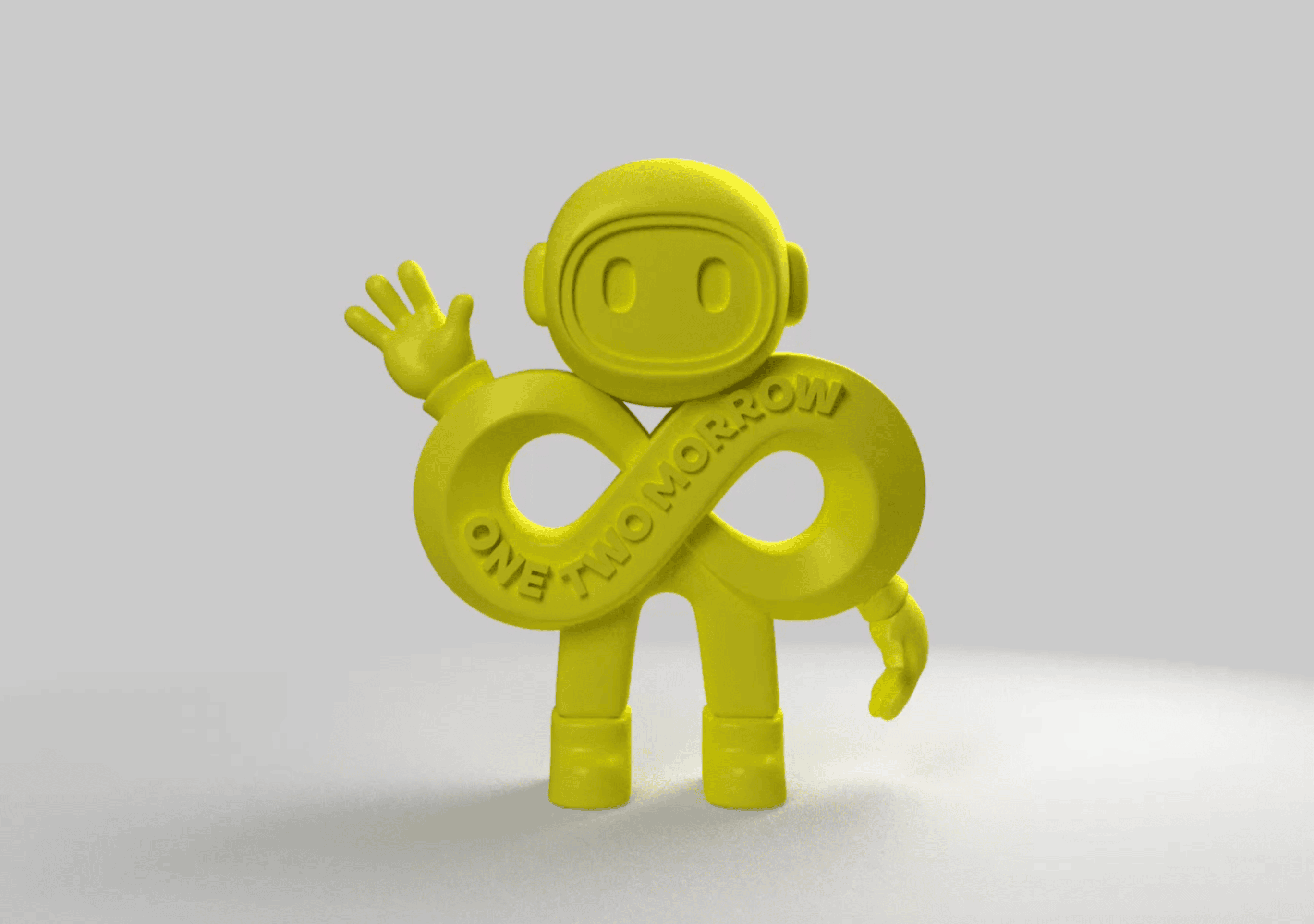
TREVISION implements this model for printed advertising textiles through ONE TWO MORROW©. After use, materials are taken back, recycled in-house, and processed into high-quality regranulate. This is then supplied to partner companies that manufacture new products — designed to be highly recyclable and fully circular. In this way, the material remains in the loop across multiple cycles and can replace virgin materials with a significantly higher carbon footprint.
Why this differentiation matters for companies

Companies are increasingly under pressure to provide verifiable sustainability claims. Whether in ESG reporting, funding applications, supply chain requirements, or brand communication: unclear or misused terminology undermines credibility and makes informed decision-making more difficult. With the new EmpCo Directive (EU 2024/82), which will come into force in Austria from September 2026, such vague or misleading claims will also be classified as greenwashing and may result in significant penalties.

Against this backdrop, it becomes clear why precise terminology is essential: it provides orientation in a complex environment and makes it visible which measures are truly effective.

Clarity about who is authorized to recycle and which processes enable a closed material loop is therefore not just a technical detail, but a key element of responsible brand management.

If you want to actively leverage circular economy concepts for your business and set new standards with a truly closed-loop system like ONE TWO MORROW®, get in touch directly with our Sustainability Manager Martin Bischof – m.bischof@trevision.at
What really happens when advertising textiles are “recycled”
BLOG
Sustainability

What really happens when advertising textiles are “recycled”
10. March 2026

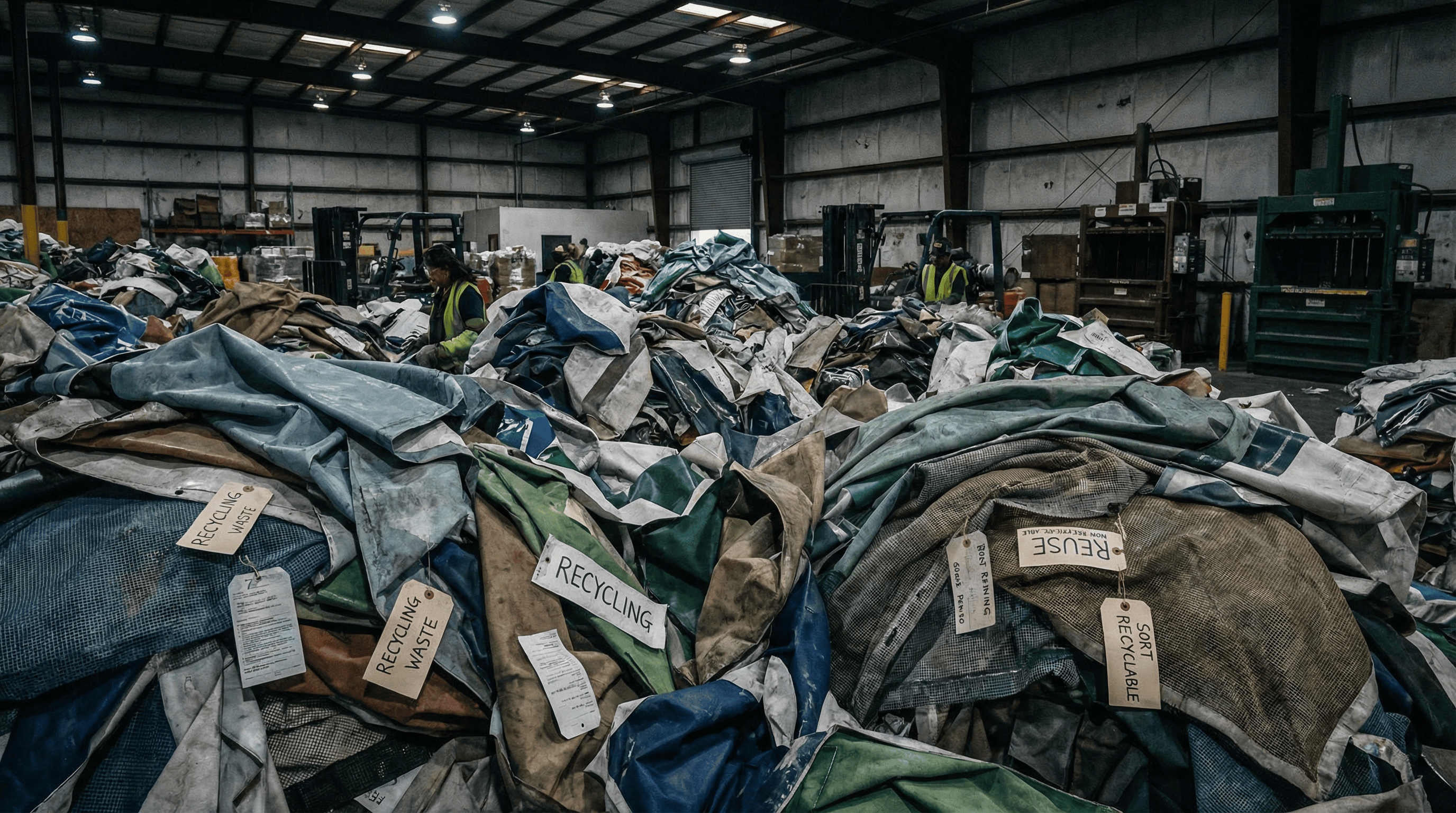
“Recycling” sounds like a simple solution to a complex problem. But when it comes to what this actually means in the context of advertising textiles, things quickly become unclear. Depending on who you ask, the answers range from simple incineration and chemical decomposition to various upcycling projects.

For companies in retail and brand communication, this creates a real dilemma: without clearly defined terms, it is impossible to make reliable and sustainable decisions. And the question of which processes actually stand behind these buzzwords – and what impact they have on CO₂ balance, material cycles and costs – often remains unanswered.

The classic route: disposal

In many cases, the life cycle of advertising textiles ends relatively quickly once a campaign is over. Materials are collected and handed over to external waste management companies.

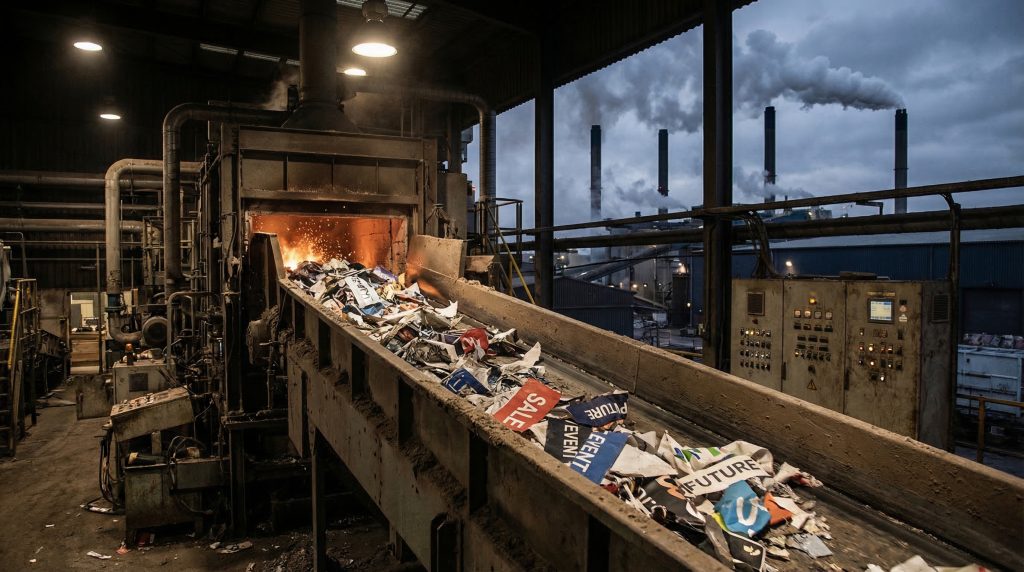
A large proportion of these materials is then thermally recovered – in other words, incinerated. From an ecological perspective, this is the least favorable option, as the energy stored in the material is lost while additional CO₂ emissions are generated.

Thermal recovery of advertising textiles – ecologically highly unfavorable

Chemical recycling: a complex pathway with many challenges

Another approach is so-called chemical recycling. In this process, plastics are broken down into their chemical base components in industrial facilities, for example through processes such as pyrolysis. In principle, these processes can work, but they are technically very complex and only possible in a limited number of large industrial plants.

In a first step, intermediate products such as pyrolysis oil or carbon residues are created. These then have to undergo additional industrial processing steps before they can be turned into new plastics again. The resulting materials usually come at four to five times the market price, making them hardly a viable economic alternative.

The process becomes particularly problematic when PVC-containing materials come into play, as is often the case in outdoor advertising. Due to chlorine compounds released during decomposition, corrosion occurs within the facilities, which means that such materials can practically not be chemically recycled.

There is also another aspect that is rarely addressed openly in practice: continuous traceability from the original material to the newly produced polymer is hardly possible in chemical recycling. For companies that require reliable data for CO₂ balances or ESG reports, this represents a structural challenge, as without transparency no genuine circular process can be demonstrated.

Chemical recycling is highly problematic and faces many challenges

Re-use: new products from existing materials

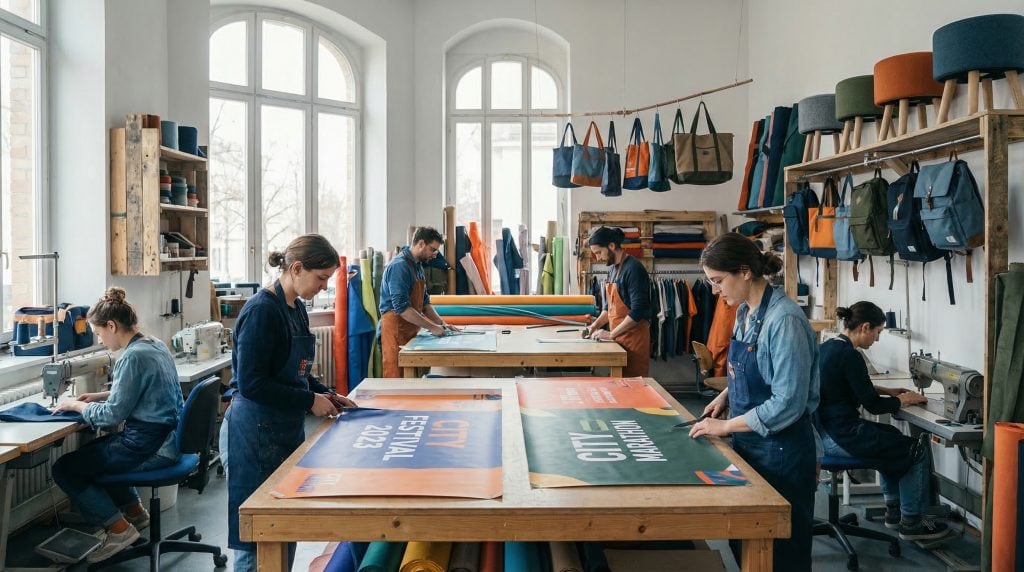
Another strategy is the direct reuse of advertising textiles in the form of new products – such as bags, furniture or accessories.

Such projects can certainly make sense and contribute to extending the life cycle of materials. At the same time, they depend heavily on whether a stable market can be found for the resulting products.

If demand is lacking or prices come under strong pressure, this approach can quickly reach its economic limits as well.

At the same time, it should be noted that re-use does not constitute true recycling: the end of a material’s life is merely postponed—often into the consumer sector, from which it can hardly be returned in a controlled way to a qualified recycling loop.

Re-use of advertising textiles can quickly reach economic limits

Material recycling as a controlled cycle

Against this backdrop, TREVISION has developed its own recycling approach, focusing more strongly on industrial feasibility and traceable material cycles.

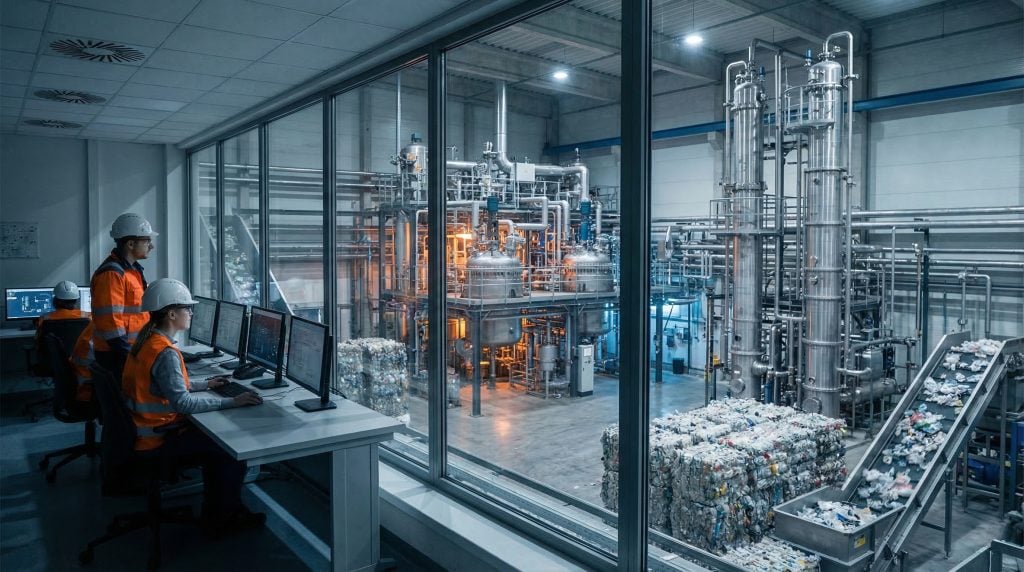
With ONE TWO MORROW®, a recycling process for PET-based advertising textiles was established in-house. At its core, it is a closed system: materials from the company’s own production are taken back after use, sorted, technically processed, and fed back into the material cycle – without chemical processes and with full documentation.

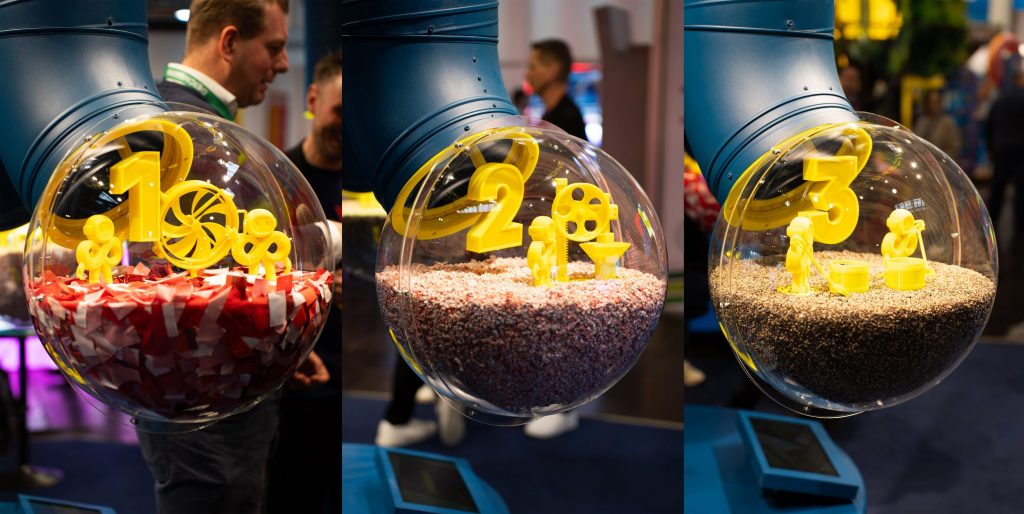
Illustrated as a perspective: the 3 steps of ONE TWO MORROW®
YouTube

Mit dem Laden des Videos akzeptieren Sie die Datenschutzerklärung von YouTube.
Mehr erfahren

Video laden

Another important aspect: as a registered recycling company, TREVISION has the necessary legal framework in place to take back and process materials from international campaigns as well.

Closed in-house material cycle at TREVISION

Transparency and scientific support

A key component of the system is the transparent documentation of all material flows. Through a digital platform, participating companies can track which materials are collected, processed and reintroduced into the system.

The analysis of this data – including the resulting CO₂ savings – is carried out in collaboration with Johannes Kepler University Linz. This scientific support ensures that the results are transparent, verifiable and suitable for use in sustainability reporting. Companies therefore receive reliable data that can be used in their sustainability reports.

Transparency and long-term scientific support by JKU Linz

In the future, this approach can also be implemented at additional locations or together with partner companies in order to establish regional circular solutions.

For TREVISION, recycling is not an isolated process, but part of a broader responsibility that is considered along the entire value chain.

EuroShop 2026: Strong conversations, new projects, and the premiere of ONE TWO MORROW®

BLOG
General, Sustainability

EuroShop 2026: Strong conversations, new projects, and the premiere of ONE TWO MORROW®

4. March 2026

Anyone walking through EuroShop 2026 in Düsseldorf quickly noticed: market appearances are no longer just about large displays or flashy campaigns. They are about efficiency, internationalization – and sustainability.

It was exactly in this atmosphere, between the pressure to innovate and a spirit of new beginnings, that the role of TREVISION became clearly visible.

In more than 300 professional conversations with retailers from around the world, one thing became particularly clear at our booth: among new products, innovations, and market trends, brands were looking for partners who not only deliver impressive POS solutions, but also reduce complexity, simplify international processes, and reliably support projects from the initial idea to final installation. Companies today are no longer looking for pure producers – they want sparring partners who combine technical expertise with organizational clarity and enable the implementation of international brand appearances.

Our range of services – including large-format POS digital printing, modular systems and technical store concepts, modular advertising and frame systems, as well as worldwide implementation – fits these challenges perfectly.

Premiere of our circular process ONE TWO MORROW®

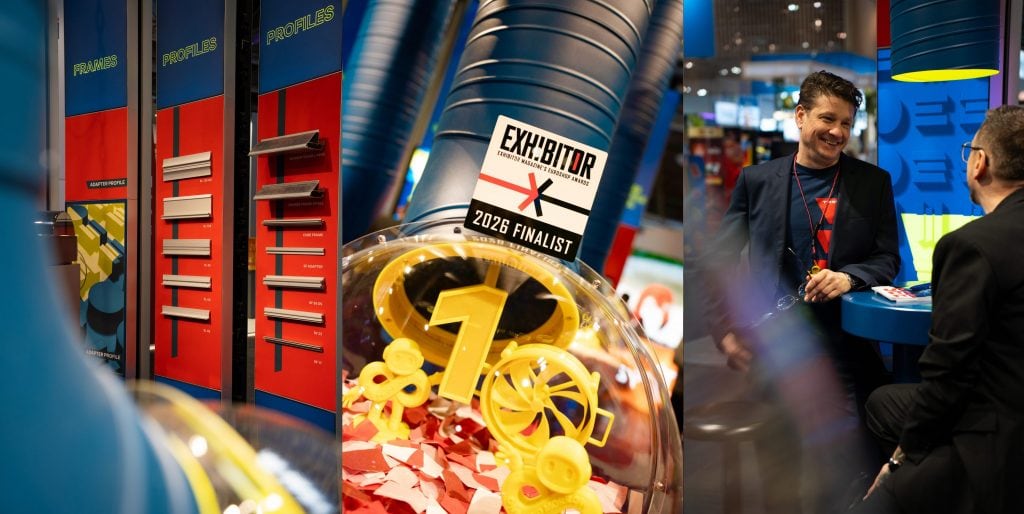
A special highlight of the trade fair was the international premiere of our circular process ONE TWO MORROW®. For the first time, we presented to a global audience how POS materials can be taken back after the end of a campaign, sorted, processed, and reintegrated into the material cycle – implemented in-house and scientifically supported by the Johannes Kepler University Linz.

The process follows three steps: After a campaign ends, the POS materials used are first systematically collected and recorded. They are then sorted and technically processed in order to prepare them for further use. In a third step, the processed raw materials are returned to the material cycle and can be used for new applications. This creates a closed loop that brings materials back into the production process.

Strong interest from the international retail environment

This approach attracted strong interest: many brands wanted to understand how campaigns can not only be implemented efficiently, but also designed responsibly throughout their entire lifecycle.

Our trade fair stand among the Top 50 at EuroShop

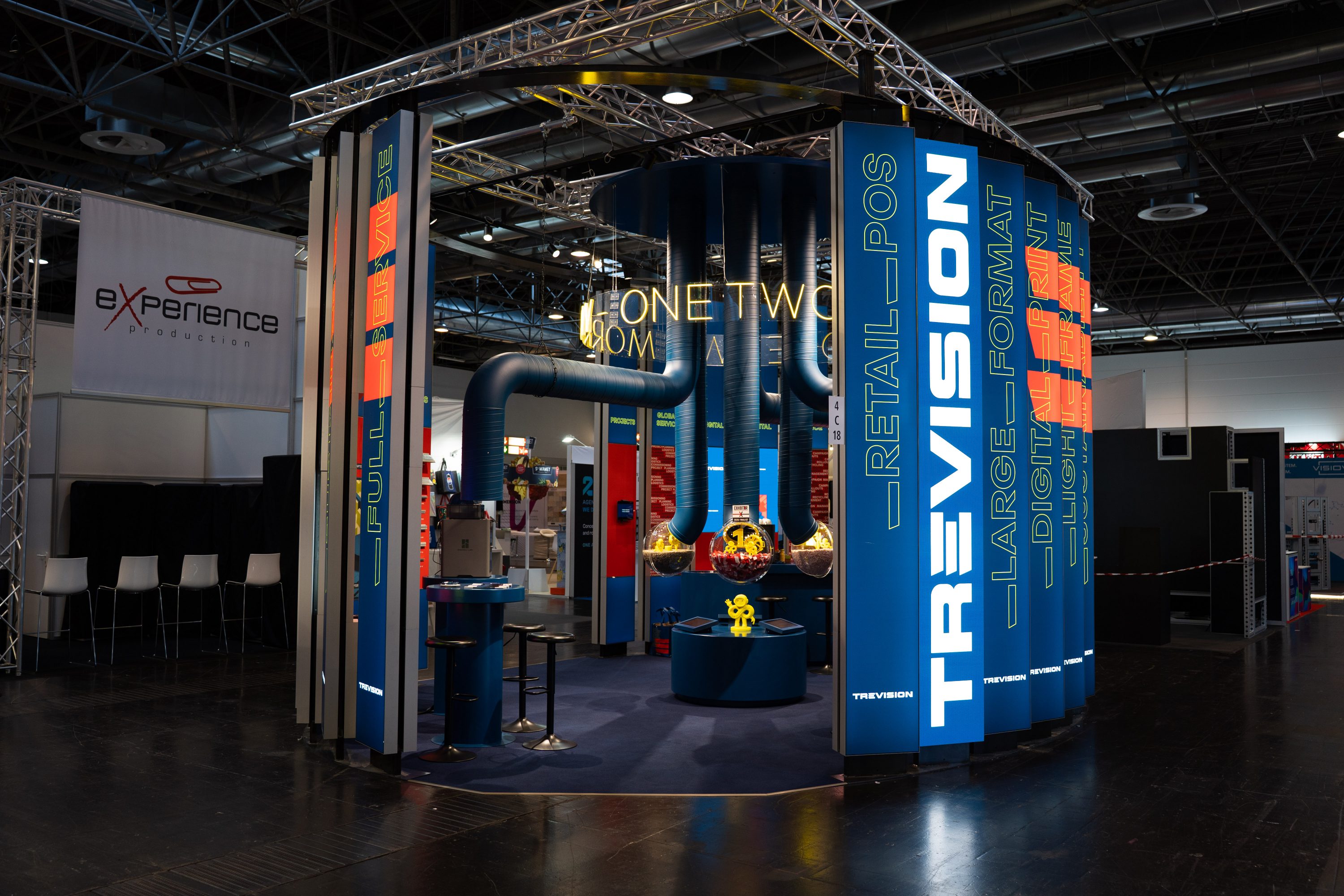
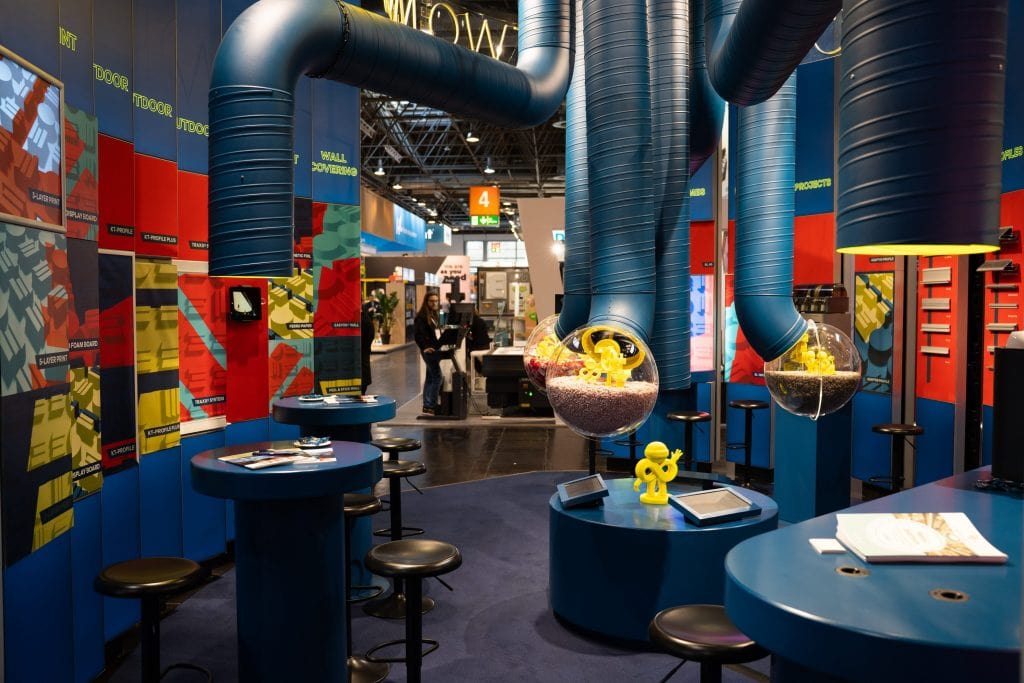
Our trade fair stand itself was also a statement. Among around 1,800 exhibitors, TREVISION was selected by the EuroShop jury as one of the Top 50 trade fair stands. The stand was conceived as a walk-through system that made visible how we work: production processes, material cycles, return flows. Everything open, transparent, and tangible. And this stand will remain in place – it will continue as a permanent showroom at our headquarters in Großhöflein, where it will present our entire range of services in all its depth.

Impressions from EuroShop

A short video with impressions from our trade fair appearance shows how much energy, exchange, and inspiration these five days brought:

YouTube

Mit dem Laden des Videos akzeptieren Sie die Datenschutzerklärung von YouTube.
Mehr erfahren

Video laden

We say THANK YOU!

Our thanks go to all visitors, customers, and partners who visited our stand and took the time to exchange ideas with us. The many conversations, ideas, and project approaches clearly showed how strong the interest in innovative POS solutions is.

We look forward to continuing many of the conversations that started here and to working together with our customers on the next steps.

Technology, Speed, Team Spirit: How Automation Creates Space for Creativity

BLOG
General

Technology, Speed, Team Spirit: How Automation Creates Space for Creativity

15. February 2026

Efficiency, precision, and a passion for large-format printing – for 15 years, Michael Haider has ensured that creative ideas at TREVISION are transformed into impressive projects. From his early days in prepress to leading production planning, he has experienced first-hand the evolution from analog processes to fully digital workflows. In this interview, he explains how automation enhances quality, why technology continues to inspire him, and what fascinates him about his work.

When you started at TREVISION 15 years ago as a graphic designer, you initially worked in prepress – the interface between design and production. What has changed?

A tremendous amount. Then as now, the greatest challenge lies in translating creative ideas into technically flawless print data. We ensure that a concept becomes an error-free, production-ready product.

Since autumn 2025, you have been heading production planning. How has this influenced processes at TREVISION?

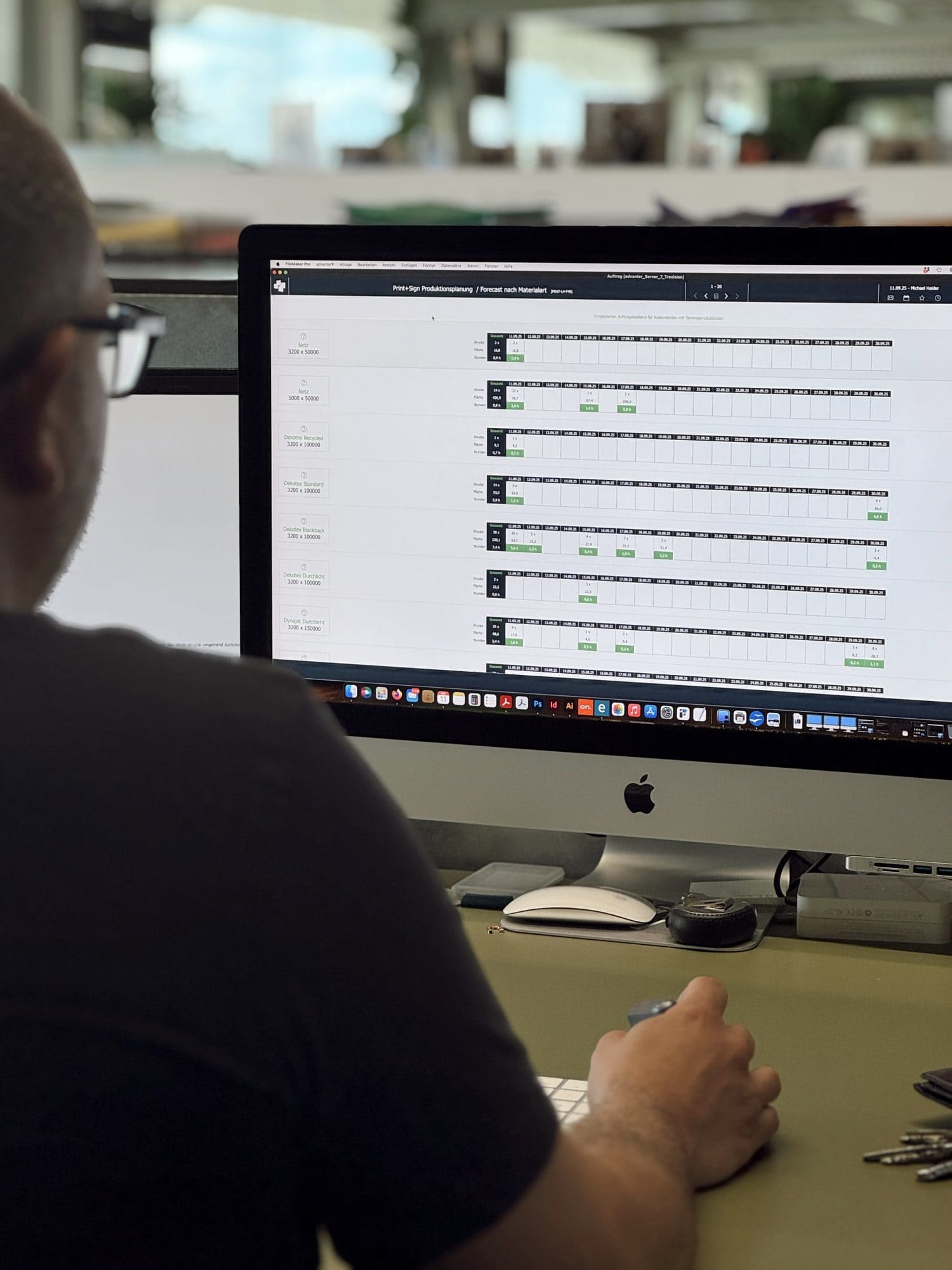
Production planning is the backbone of on-time and resource-efficient operations. I review every order for feasibility, capacity allocation, and machine availability. Only after my approval does it move into production. My day begins with a digital job list, which I check for plausibility and available resources. Only then is the order confirmed by the internal sales team. This ensures that large-format printing projects are delivered on schedule and at the highest quality standards.

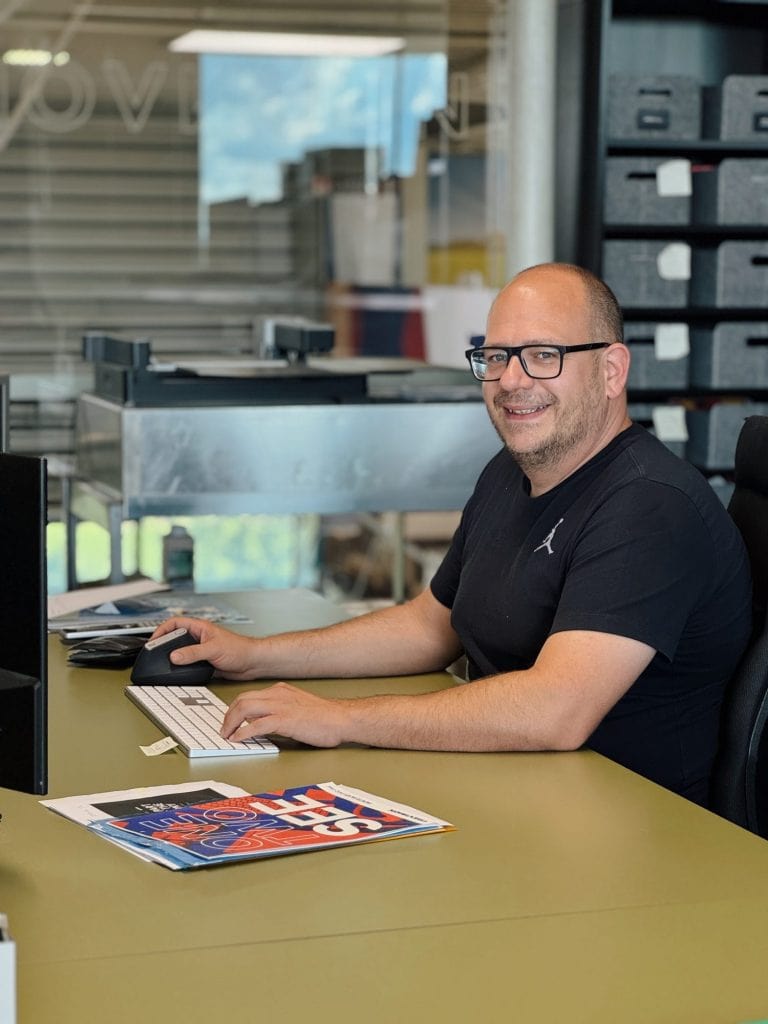
Michael Haider, Head of Production Planning at TREVISION

TREVISION is known for innovative processes and has been driving digitalization and automation for years. What role do they play in project implementation?

A crucial one! Together with Durst and Advanter, we developed a customized workflow that automates every step from data intake to print approval. Print files are automatically checked – resolution, color mode, format – and errors are detected instantly. As a result, 80 percent of the workload has become significantly easier. For our clients, this means: through automation, we have been able to free up internal resources. Our team now has more time for our core business – developing innovative solutions. We can focus more strongly on creative concepts, new materials, and tailored client projects instead of manually handling routine processes.

Despite automation, where do limitations still exist and where is human expertise still essential?

With all products that are “out of the ordinary” – such as angled constructions, cut-outs for complex exhibition stands, or highly specialized productions like the wrapping of Vienna’s Ringturm. In such cases, automation still reaches its limits.

How does production planning contribute to saving resources and increasing efficiency?

We precisely schedule when each visual is printed and bundle jobs in a way that reduces material waste. This means: fewer linear meters, less waste, greater sustainability. Our digital workflows enable us to intelligently combine print data and manage processes so that quality and resource efficiency go hand in hand.

You have now been with TREVISION for 15 years: Are there any projects that have particularly stayed in your memory?

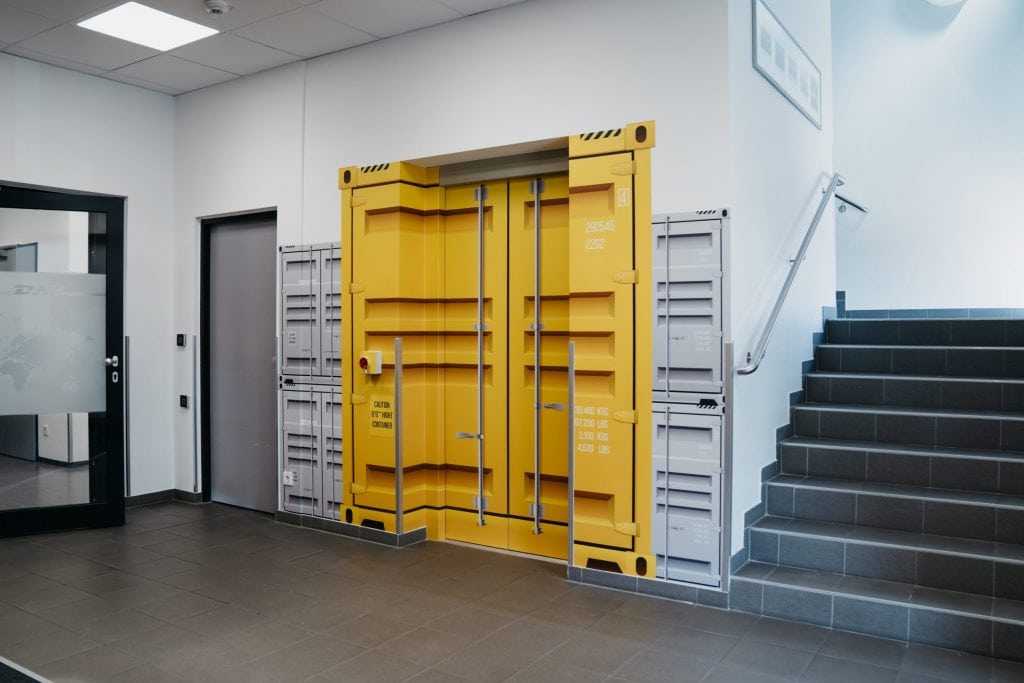
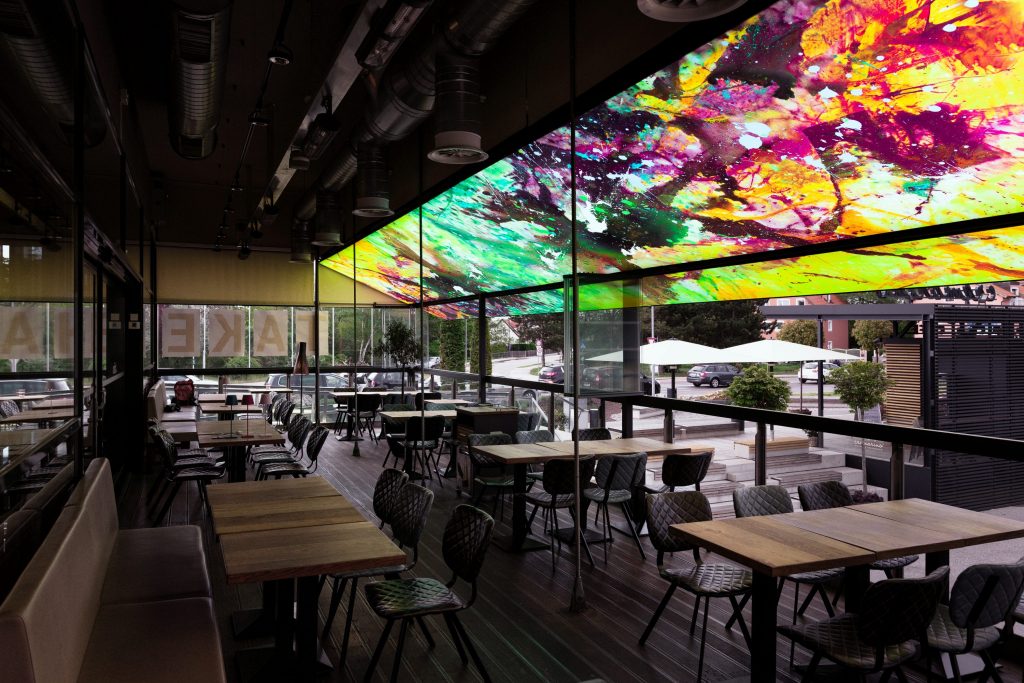
Many! The DHL project, where we designed the elevators to look like shipping containers from the outside, was fantastic. The window graphics with selective white printing for Philip Morris and the Ringturm building wraps are also highlights. One of my very first projects was a light ceiling installation in Oslo in 2011. The suspended ceiling was printed with an artwork by a Swiss artist and then backlit. I only saw the design in prepress and later in photos – and I was truly impressed by the effect.

After so many exciting projects: What makes your work personally special to you?

The variety! No two days are the same. And the feeling of seeing a finished project and knowing: “We created that.” When I’m walking somewhere in Italy or anywhere else in the world and spot something we’ve printed – that’s the greatest reward.

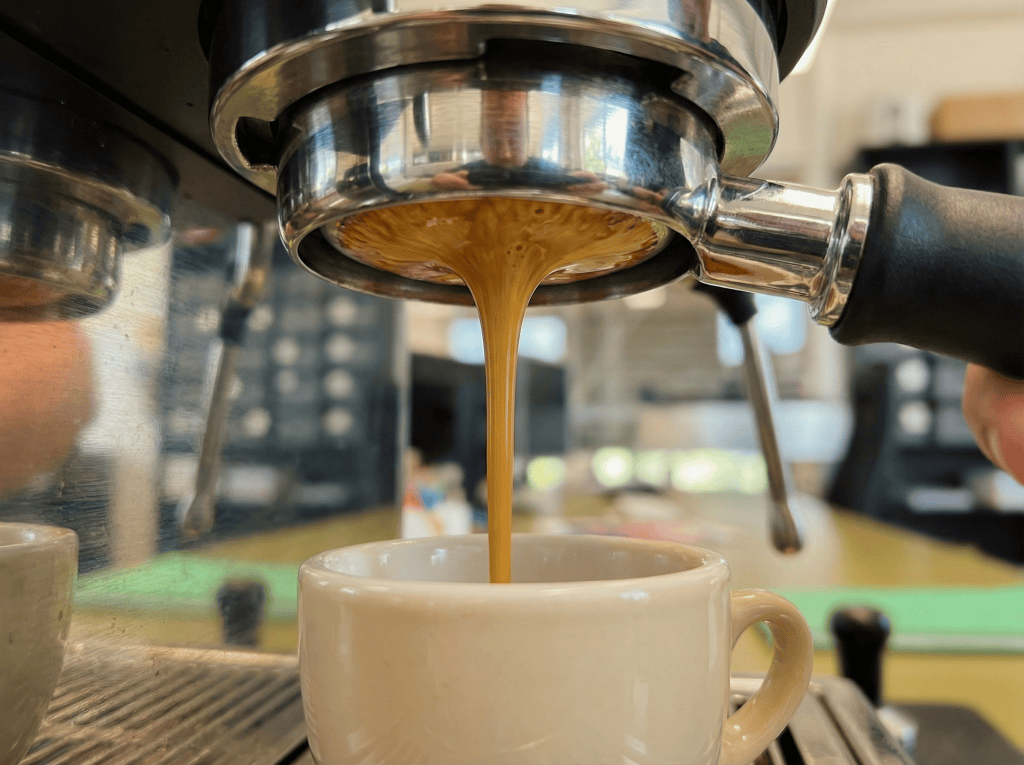
Speaking of Italy: there’s an espresso machine in your office …

I love a good espresso – but 99 percent of coffee machines in Austria aren’t calibrated to produce a true Italian espresso. Once you’re used to the original, it becomes a challenge. So I simply decided to install my own espresso machine in the office.

Finally: You’ve been working in advertising technology for 15 years now – what’s your conclusion?

Printers today offer higher resolution, color reproduction is more brilliant, and we work with innovative materials. Processing times are minimal, and computers are faster. Particularly impressive is our Durst RHO 350 HS – the machine’s quality and speed are outstanding. Digital cutting systems are also extremely robust and precise. All of this makes production more efficient and more sustainable.

What hasn’t changed is the time pressure – it’s simply part of the advertising industry. If you don’t handle stress well, this isn’t the right field for you. But with a great team like the one we have at TREVISION, it’s truly enjoyable.

Where do you find balance to offset that time pressure?

By playing billiards. I started playing regularly again about a year and a half ago, and I really enjoy it.

From White to World: How EasyOn® Wall Brings DHL’s Brand Universe into the Office with Impact

BLOG
General

EasyOn® Wall Brings DHL’s Brand World into the Office

15. February 2026

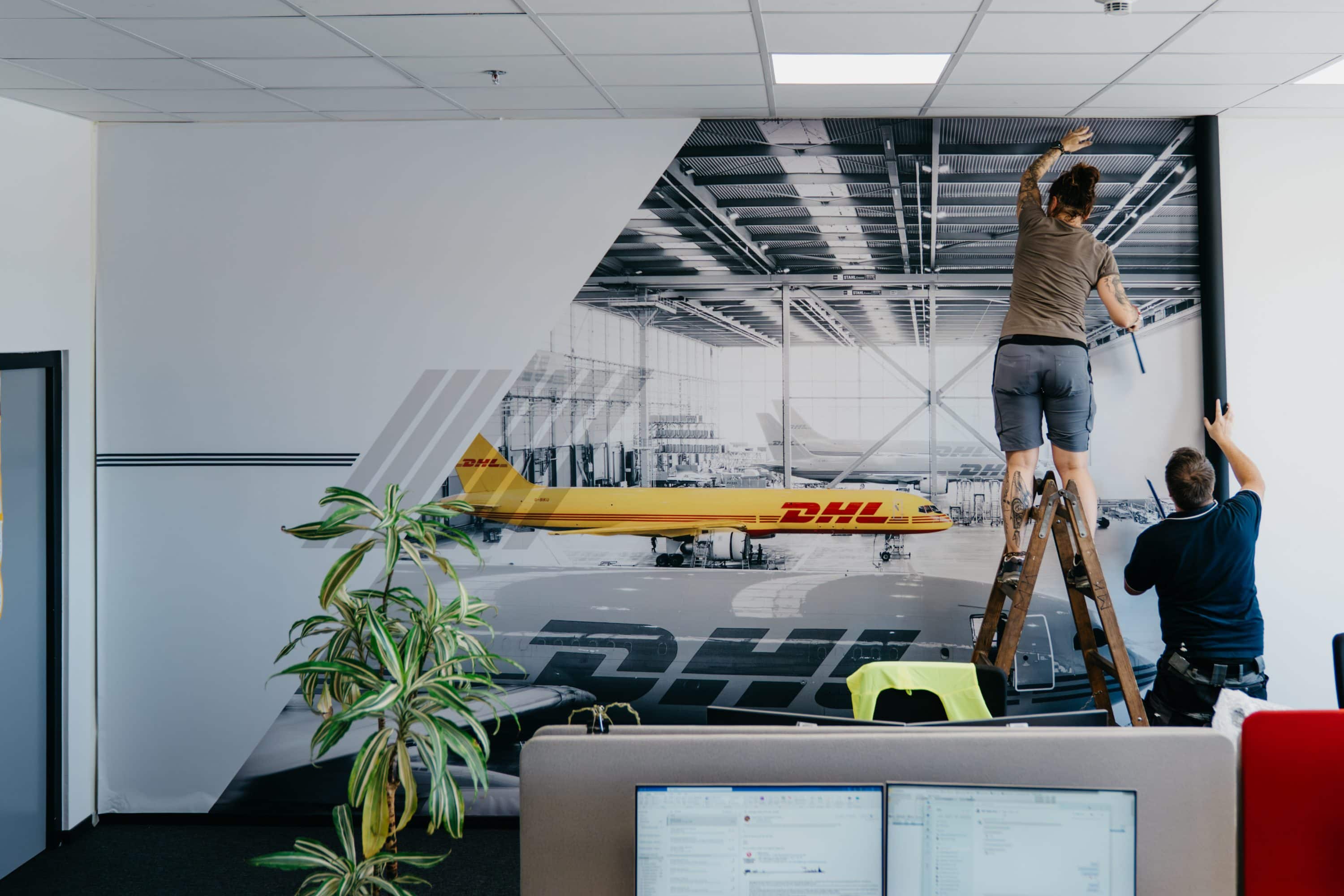
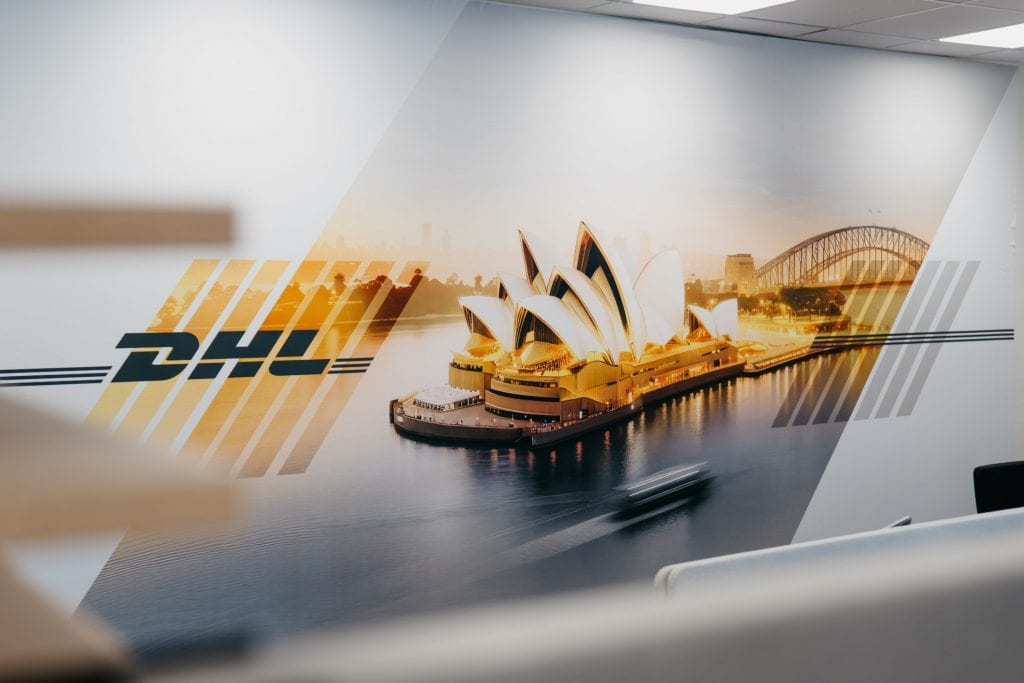
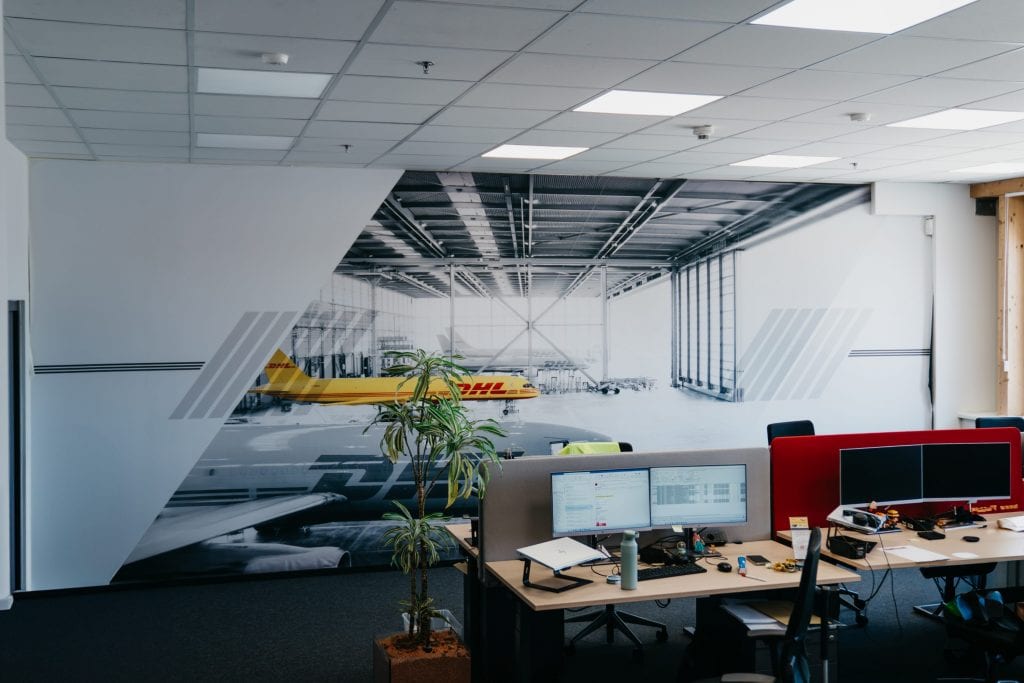
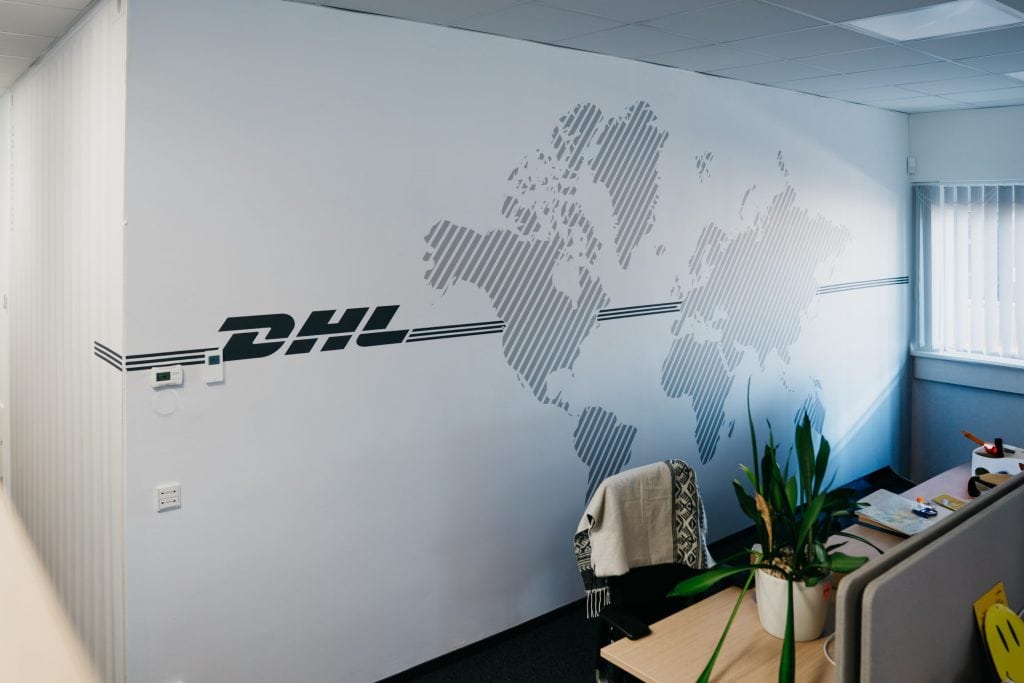
Brand worlds come to life where visions take shape. For DHL’s headquarters in Vienna, TREVISION has done exactly that: formerly white office walls have been transformed into a journey around the globe, captured in large-format visuals of airports, container ships, and world maps. Every glance opens up new perspectives – even the elevator becomes a container, making the brand’s global identity tangible.

The art of brand staging

What makes this project remarkable: the implementation took place during ongoing operations. A total of 24 wall surfaces were executed discreetly and efficiently – without interrupting the daily workflow. This was made possible by the use of our textile wall covering EasyOn® Wall, combined with precise planning, technical excellence, and an experienced team that transformed several hundred square meters within a very short timeframe. The result demonstrates how branded spaces can be realized under real-world conditions with uncompromising speed and quality.

Efficiency Meets Excellence

EasyOn® Wall is more than a conventional wall covering. It opens up new possibilities in interior design – where traditional solutions reach their limits, without the typical constraints of classic wallpaper.

The textile wall covering is manufactured seamlessly in a single piece and installed without visible joints. This creates a cohesive, harmonious overall appearance across the entire surface. Visible seams, misalignments, or disruptive edges commonly associated with traditional wallpaper are completely eliminated. The result is a calm, high-quality wall design with a clear visual impact.

Beyond its aesthetic appeal, EasyOn® Wall also delivers in terms of functionality. The material is robust, durable, and washable, making it ideal for high-traffic commercial environments such as offices, retail spaces, and hospitality settings.

Each design is produced individually and with millimeter precision – from large-format photographic visuals and graphic concepts to subtle textures. At the same time, the execution remains fully CI-compliant, without creative limitations.

Installation is clean and efficient, with no construction debris and no operational downtime. This makes EasyOn® Wall a versatile solution for a wide range of applications – from contemporary office and hotel concepts to sophisticated retail environments.

“TREVISION Delivers Perfect Print Quality and Installation Expertise as a Reliable Partner”

“The emotional visual motifs create a distinctive impact through their expansive, full-wall formats – and that was exactly our objective. The oversized dimensions required perfect print quality, as viewing distances in interior office spaces are very short and any lack of sharpness would immediately be perceived as a quality flaw. As a reliable partner, TREVISION delivers outstanding print quality and installation expertise.”

Stefan Friedinger, Managing Director of 7 Punkt Communication Group and Creative Lead

Designed for tomorrow

Sustainability is also built into EasyOn® Wall through a clearly defined system. With ONE TWO MORROW®, there is the opportunity to become part of a closed material loop: used advertising textiles can be recycled in-house by TREVISION through a highly sophisticated technical process, with the recovered material fed directly back into the production of new products. The resulting CO₂ savings are measured, certified, and provide a documented contribution to environmental performance. In this way, design transformation becomes not only flexible and economically viable, but also responsibly executed.

Would you like to transform your spaces quickly, precisely, and sustainably? Discover more about EasyOn® Wall.

EuroShop 2026: When Printed Advertising Materials Become Part of a Circular Economy

BLOG
General

EuroShop 2026: When Printed Advertising Materials Become Part of a Circular Economy

15. February 2026

Trade fairs are places where ideas, concepts, and solutions converge – visible, tangible, and directly comparable. For TREVISION, EuroShop 2026 provides the ideal platform to present, for the first time, a project that goes far beyond a conventional product: ONE TWO MORROW®.

A circular system that starts with the material

ONE TWO MORROW® is a closed-loop system for printed advertising materials. Only materials produced in-house by TREVISION are processed, ensuring full traceability, consistent quality, and technically controlled recycling.

End-of-life advertising materials are no longer treated as waste, but as the starting point for new applications. The recycling process is carried out without the use of chemicals. Compared to conventional disposal or new production methods, the process can – depending on material composition and area of application – enable a reduction in CO₂ emissions of up to 80 percent.

The volumes of collected advertising textiles and their material composition are documented throughout the entire recycling chain. Based on this data, participating companies receive an independent certificate issued by Johannes Kepler University, transparently verifying the achieved CO₂ savings in a clear and traceable manner.

This ensures clarity across the entire process and opens up a sustainable perspective for brand communication – without compromising existing production workflows.

What we are showcasing in Düsseldorf

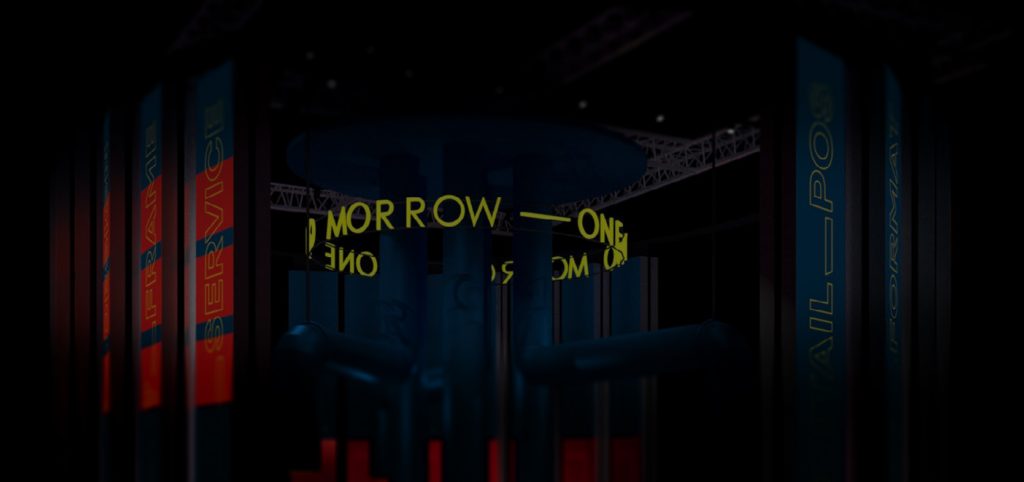
At EuroShop, we will provide a detailed insight into the ONE TWO MORROW® process. We will demonstrate how the circular system functions from a technical perspective, how the individual stages interconnect, and what concrete scope for action this creates for retail and brand management. At the same time, we will present our new booth concept for the first time. It has been deliberately designed not to end with the trade fair, but to continue as a showroom at our headquarters in Großhöflein.

Craftsmanship remains the foundation

As innovative as the ONE TWO MORROW® approach is, the foundation remains clear. TREVISION stands for precision digital printing, modular light and frame systems, technical framing and display solutions, software for retail spaces, and end-to-end project management including installation and service. In Düsseldorf, we will demonstrate how these competencies can be integrated into a closed-loop system. The circular approach does not exist alongside day-to-day operations – it emerges directly from them.

YouTube

Mit dem Laden des Videos akzeptieren Sie die Datenschutzerklärung von YouTube.
Mehr erfahren

Video laden

Invitation to Connect

At our booth, ONE TWO MORROW® becomes tangible. We will present materials, processes, and applications, demonstrating how used advertising materials can re-enter a functioning circular system. Through concrete retail and brand use cases, we will show how the system can be implemented in practice.

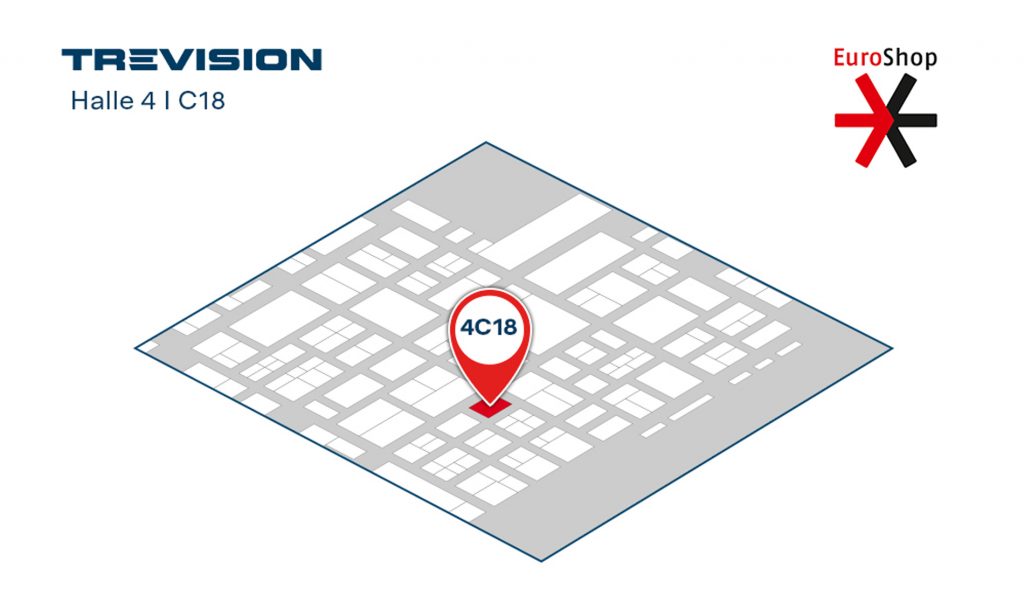
Visit us at EuroShop 2026 in Hall 4, Booth 4C18.

We are also happy to schedule a personal meeting with you in advance.

We look forward to Düsseldorf and to connecting with you on site.

Ready to take off – Innovation for Airport Media at Schwechat Airport

BLOG
General

Ready to take off - Innovation for Airport Media at Schwechat Airport

9. October 2023

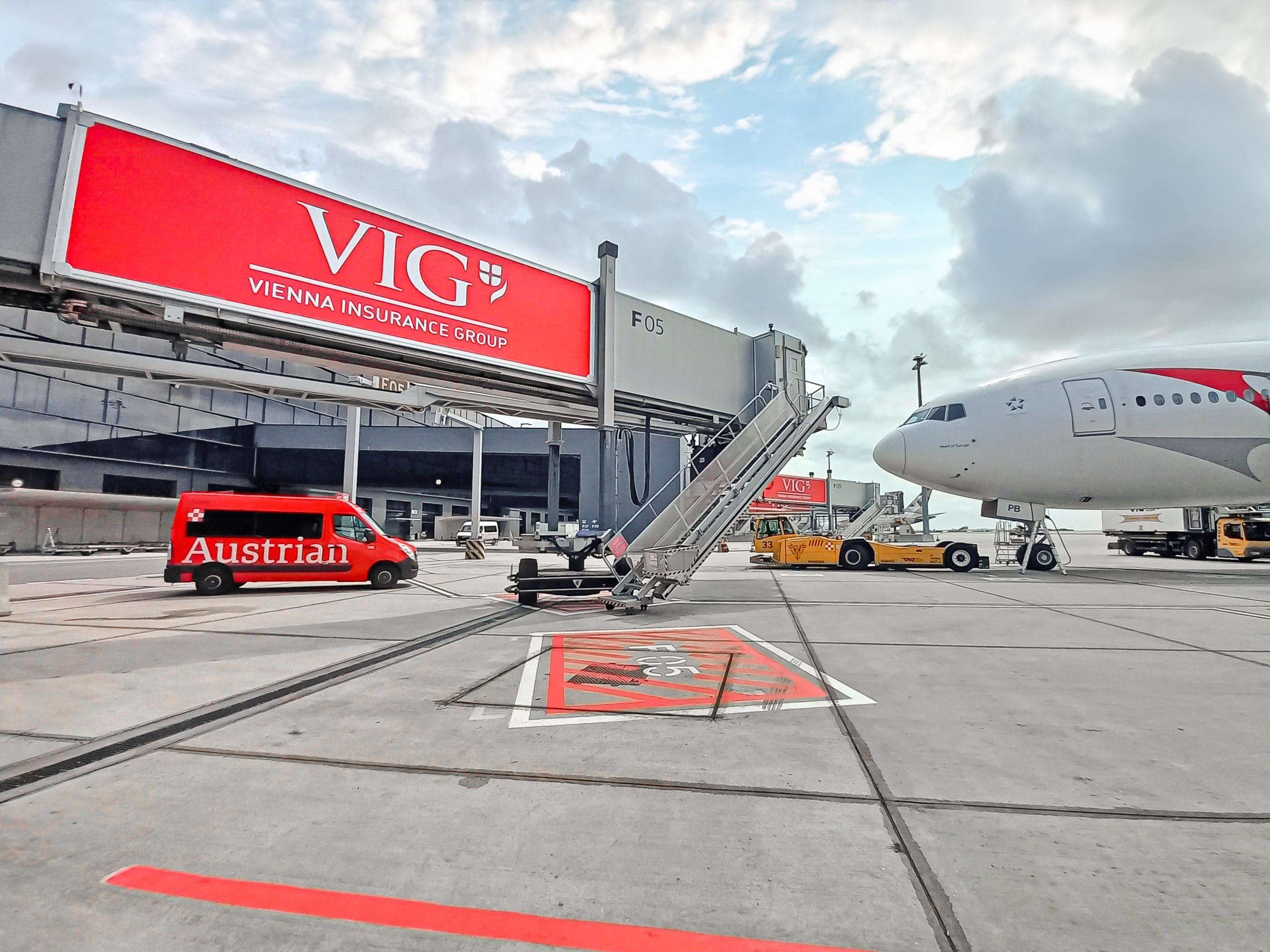
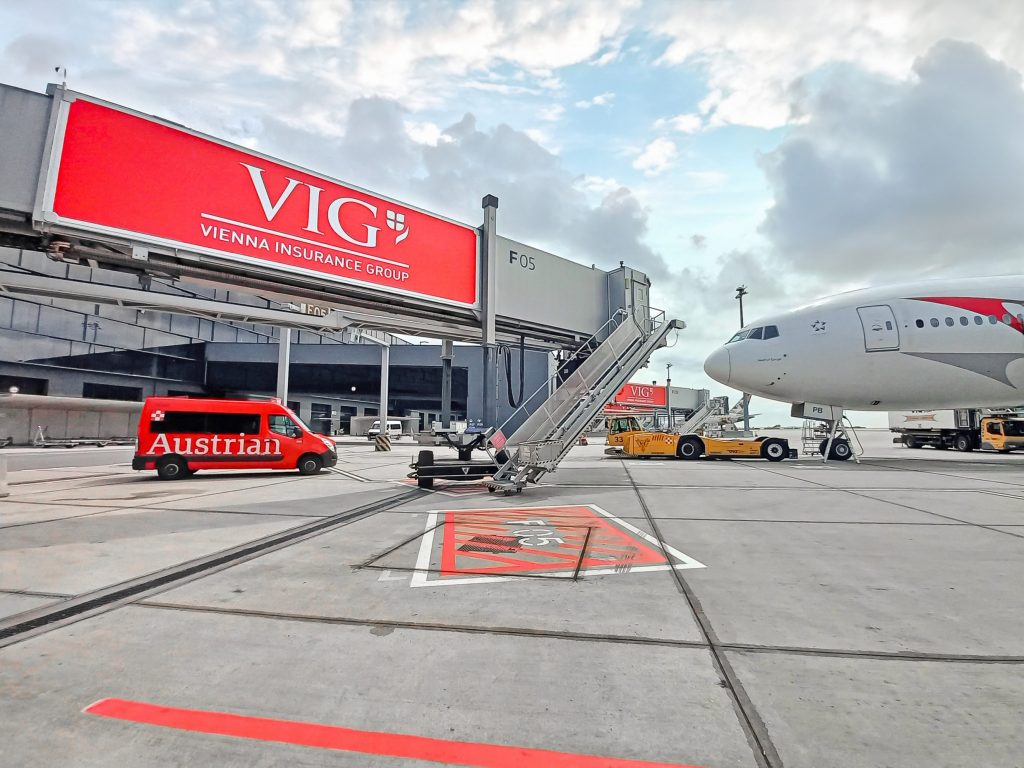
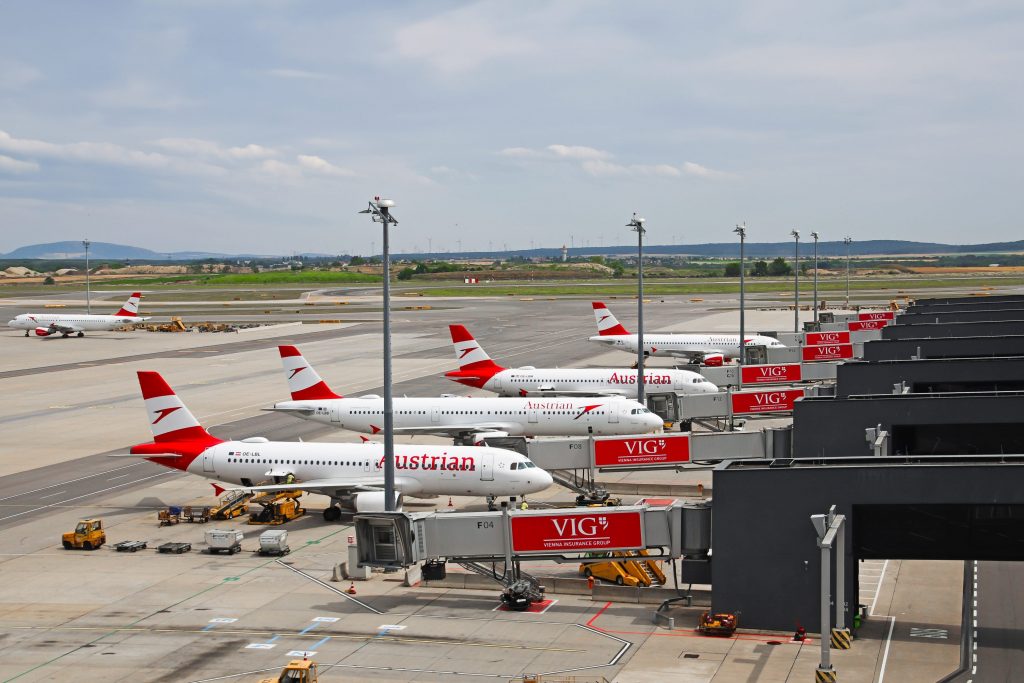
The advertising spaces on the passenger boarding bridges are one of the most important exclusive products of Airport Media at Schwechat Airport. Changing these large foliations is costly and time-consuming. We have changed that: With a new, innovative system.

Safety in numbers

Advertising spaces at airports are a very exciting and complex challenge. On the one hand, of course, the quality of the advertising media must be right, and on the other hand, the highest safety and technical standards must be met.

Therefore, even the preparations for the project were extremely complex and required a new approach. Airport areas are exposed to strong wind forces, which conventional mounting methods are not able to cope with. For this reason, decals or foils are traditionally used, but this has some disadvantages, such as lower flexibility.

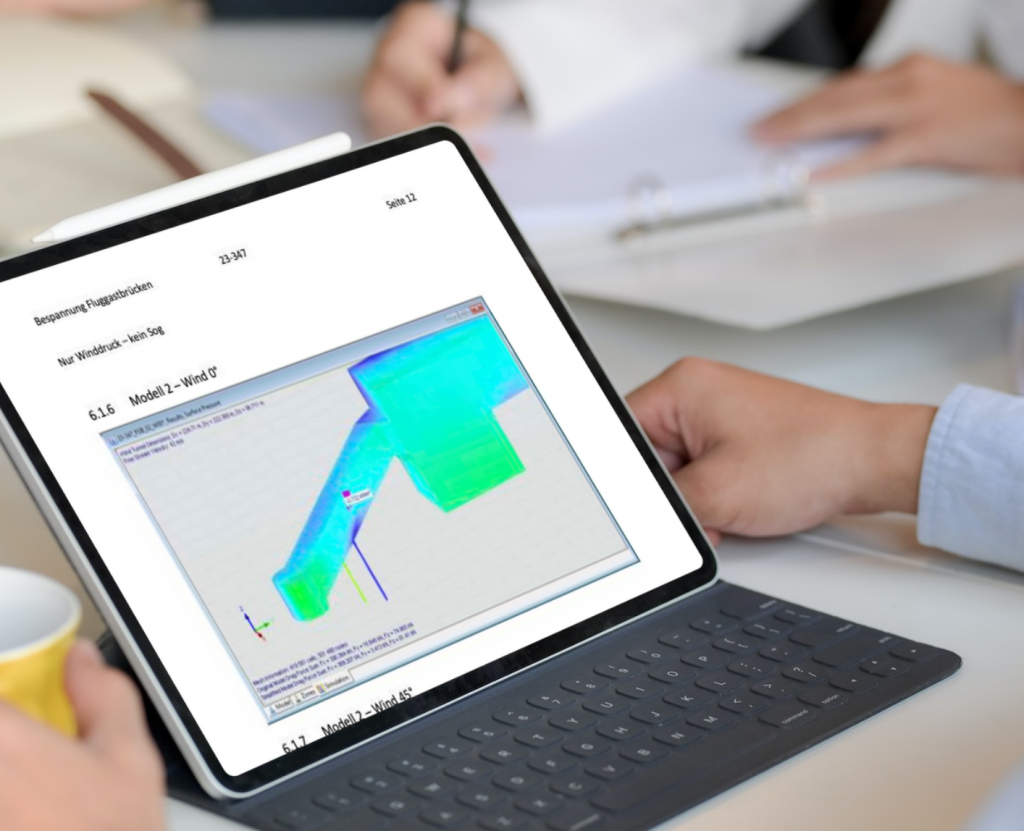
Calculation of wind force effects

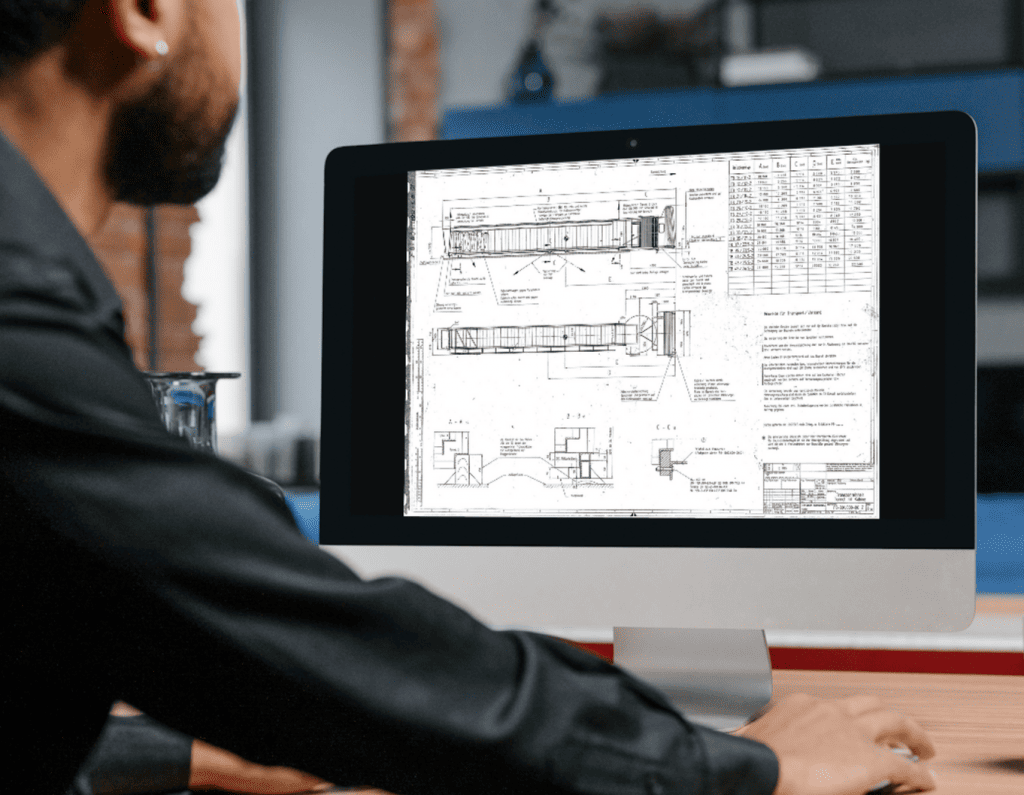
So it was clear to us that we would not achieve a satisfactory goal with conventional systems. That’s why we went back to the drawing board. After intensive deliberations and extensive prototyping, we identified a solution that would stand up to all requirements. Since this new solution had to meet the highest safety standards, we had extensive and cost-intensive structural calculations performed for the prototype. In the process, every single element – from adhesives to the material of the fasteners – was closely scrutinized and tested until we were sure that everything had been planned perfectly.

Easy come, easy go

From all these preparations and calculations, we finally developed a special mounting system similar to one already tried and tested in the fleet media sector. This means that Airport Media will be able to dispense with elaborate foiling in the future. Instead, subject changes are extremely quick and easy – without sacrificing quality or safety.

"The quick implementation of the new tension frame system on all 20 passenger boarding bridges at Pier North shows Trevision's high level of professionalism!"

“The advertising on the passenger boarding bridges outside is a landmark from Airport Media’s product portfolio at Vienna Airport. The technical challenges for the implementation are therefore correspondingly high.

With the new TRAXX system, Trevision provides a medium that optimally meets these very high technical requirements. The smooth changeover to the new tension frame system on all 20 passenger boarding bridges at Pier North in just a few weeks further impressively underlines Trevision’s high level of professionalism.”

Ilse Koinig, Head of Advertising – Airport Media at Vienna Airport


Proof of Success

The highly complex and demanding work in planning and implementation has paid off. Thanks to our new system for the advertising spaces on the passenger boarding bridges, Airport Media not only gains an extremely high degree of flexibility through great time savings in changing subjects. They also benefit from cost savings in the production of advertising media and the reduced time required.

Do you also want to modernize your airport media offerings? And benefit from the cost and effort savings?

TREVISION launches sustainable product line Greenline 

BLOG
Sustainability

TREVISION launches sustainable product line Greenline

9. December 2022

TREVISION attaches great importance to environmental friendliness and sustainability. For this reason, we have also developed the Greenline series and launched various sustainability projects. More about this here in a short overview!

Greenline – Eco? Logical!

The materials in the Greenline series are either PVC-free or made from recycled polyester (PES). Recycled polyester, also called rPET, is obtained by melting down existing plastic and spinning it into new polyester fibre. Compared to PVC, polyester has a much lower environmental impact. Polyester fabrics are also recyclable and do not need to be disposed of like PVC.

Nine of our most important materials are currently available in our new Greenline series, with more in the pipeline:

1. Greenline printing materials PVC-FREE

  • FRONTLIT PVC-FREE (material 100% PES, coating PVC-free)
  • MESH PVC-FREE (material 100% PES, coating PVC-free)
  • ADHESIVE FILM PVC-FREE (PVC-free foil material)
  • WALLPAPER SMOOTH PVC-FREE (PVC-free fleece)

2. Greenline printing materials made from 100% recycled PES

  • DYNAJET RECYCLED (single and double print, waterproof material, ideal for backlit and reflected light applications)
  • DEKOTEX RECYCLED (flame retardant decorative fabric, ideal for non-illuminated applications)
  • DEKOTEX TRANSMITTED LIGHT RECYCLED (flame retardant decorative fabric, ideal for backlit applications)
  • DEKOTEX BLACKBACK RECYCLED (flame retardant decorative fabric with black reverse side, specially developed for

In addition, data sheets and product folders are also made from recycled cardboard. Take a look at our new Greenline and switch to the greener side of life!

Downcycling: A new life for used prints!

Another project close to our hearts is the downcycling of used print products. With downcycling, the need to use new raw materials or produce artificial materials is significantly reduced because discarded materials are used in the production of new products.

Downcycling reduces the amount of waste, saves valuable resources and thus also contributes to nature and climate protection. Against this background, TREVISION has initiated a research project that is working on solutions for the recycling of used printing materials in cooperation with universities.

Our goal is to establish a sustainable cycle by collecting print products from customers after they have been dismantled and breathing new life into them. The first trial runs with customers have already started.

Full transparency through TREVISION CO2 footprint

Recently we already told you about our cooperation with myclimate. The focus is on the evaluation and minimisation of TREVISION’s corporate carbon footprint.

With the help of myclimate, a final carbon footprint has now been drawn up for TREVISION and the concrete CO2 footprint of three locations has been determined. TREVISION is thus one of the few companies that have actually calculated this value and are not just greenwashing.

The underlying analyses and data form a sound basis for reducing our CO2 footprint in a continuous improvement process. In the future, it will also be possible to indicate the CO2 emissions per square metre for each of our products.

On this basis, TREVISION will be able to transparently advise its customers which products offer tangible added value for the customer’s sustainability strategy due to their lower CO2 footprint.

A little greener every day. The careful use of resources and the mindful treatment of nature are very important to us. With Greenline, we offer a new product line for large-format printing that is characterised by particularly environmentally friendly materials. Please contact us for further information about Greenline.

We look forward to reporting to you next time on the further progress of our sustainability projects!

GO LARGE OR GO HOME

BLOG
General

GO LARGE OR GO HOME:

9. December 2021

A report about a cooperation between pioneers in Large Format Printing.

Durst is a leading manufacturer of digital printing and production technologies: LFP & Graphics, Labels & Flexible Packaging and Ceramics. Trevision and Durst have been working together for over a decade. The close collaboration is characterized by mutual trust and open communication, in which it is perfectly acceptable to voice criticism in order to push each other forward. 

We met CEO Christoph Gamper for a digital interview across several time zones and talked about milestones and future chunks, the special features of production in the midst of the Tyrolean mountains, and the fact that stubbornness doesn’t necessarily always have to be negative.

Christoph Gamper, a native and likeable South Tyrolean, has spent half his life in technology companies all over the world before becoming CEO and member of the Board of Directors of the Durst Group, headquartered in Bressanone, South Tyrol. For 10 years now, Christoph Gamper has been leading the company, which for Trevision stands not only for excellent technology, but also for honesty, transparency and absolute reliability.

Christoph Camper, CEO Durst Phototechnik AG

A hidden champion who performs worldwide.

“Exciting, technology-driven, somewhat stubborn in the most positive sense and very familiar – a “hidden” champion who enjoys innovation and values that are lived.” With these words, Mr. Gamper describes the technology company with no bullshit policy. Here, instead of pretending a lot, things are done simply and customers are seen as partners at eye level. Moreover, it remains a family business, even though more than 800 employees worldwide now develop and market high-end systems.

Durst was founded in 1929 by the Durst brothers. In the 1930s, they were still repairing photographic equipment – in the years that followed, they specialized in machines for producing picture postcards, before Durst made a name for itself as a pioneer in photographic technology.

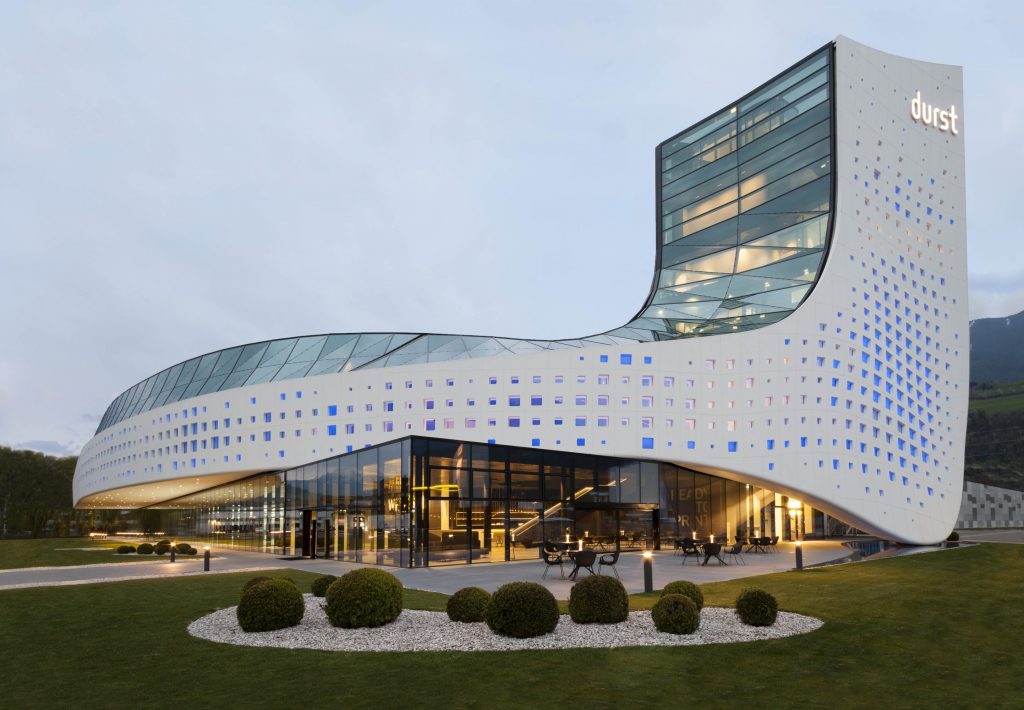
Durst Group AG Brixen, Italy

For Gamper, the biggest milestones cannot be summarized so quickly, because there were many formative phases such as the switch from analog technology to digital solutions or the development of ceramic 3D printing.

Christoph Gamper also reminds us during the short excerpt from the company history of the time when photos still had to be developed, but quickly turns his gaze back to the challenges of the future. Because Durst Lambda marked the entry into the digital era and the later Gamma series led to great successes in efficient tile production and laid the foundation for ceramic 3D printing. Things have been going from strength to strength for Durst ever since, and the company’s future path remains exciting for Gamper. For example, he classifies the Durst Workflow software ecosystem as a “revolutionary all-in-one solution that combines all steps of the pre-press and production process in one application.” Trevision, by the way, has long been a satisfied user of the RIP software.

Current projects are many – and each worth mentioning. These include the expansion of the P5 family, from which Trevision is already benefiting with the latest P5 TEX iSub model, and the further development of the WT series, a water-based technology for flatbed printing.

The latest Durst - P5 TEX iSUB

Durst can also point to recent successes: “In recent years, we have built up a large software force that will increasingly come to the fore with front-end and ERP solutions. In packaging printing, together with our partner Koenig & Bauer, we have just presented the Varijet (editor’s note: inkjet technology integrated into a high-performance press for digital sheetfed printing on the folding carton market) to the international press with great success, which must now of course meet the set standards. Furthermore, we have founded a spin-off in the field of ceramic 3D printing.”

When asked about his favorite project, the CEO tells of the impressive project “The Rock”. Dwayne Johnson has nothing to do with it, rather it is about a particularly sustainable printing technology. The 10 years of development and research were unusually long for someone in this field, but the patience has more than paid off for Gamper and nature: “We can use it to create ceramics that are as unique as nature – without destroying nature in the process.”

"We are more than a company: we are Durstlers."

CEO Christoph Gamper is relaxed about the future. Of course, there would be enough challenges such as the prevailing pandemic and the associated travel difficulties, but by constantly pushing digitalization and the early use of technical aids, Durst sees itself more than up to the challenges of the future. Furthermore, Gamper emphasizes his employees:inside and the hardware: “Highest quality -100% use of material and employees to bring added value to the customer. We are more than a company: we are Durstlers.” It is precisely these Durstlers who ensure that new technology developments are always being scouted to integrate.

The visionary knows that pioneers don’t have to do everything on their own. In the area of “predictive maintenance”, Trevision is therefore collaborating with the University of Bolzano on a project. Here, too, Trevision is already using Durst’s sophisticated technology with the Durst Analytics tool to have all the data from the printing and production environment evaluated by intelligent algorithms in order to increase production output.

"Trevision is a pioneer in large format printing and we are happy to be a part of this success story."

When asked what makes Trevision and Durst’s collaboration special, Gamper emphasizes the open interaction that would spur the company to develop even better and even more efficient systems for the LFP market. The two companies have a pioneering spirit in common and therefore support each other’s developments: “Trevision is generally always among the first to invest in innovative and novel technology. Accordingly, we were also allowed to carry out some field tests at Trevision in Großhöflein – a close cooperation automatically developed over the years.”

Durst and Trevision also agree on the keyword sustainability and see sustainability not as a freestyle, but as a duty: “We live, work and produce in the middle of the Tyrolean mountains – sustainability is not a buzzword here, but a simple necessity.”

 Ultimately, the entire market could benefit from this close cooperation. Together with Trevision under the leadership of Jürgen Marzi, the most innovative production technologies are to be brought to market. The fact that the CEO of the partner company speaks of Trevision in the superlative is a further affirmation of the existing and future cooperation.

TREVISION on the way to climate neutrality

BLOG
Sustainability

TREVISION on the way to climate neutrality

7. September 2021

Earth Overshoot Day was already on 28 July this year. Regardless of this, TREVISION has decided to get involved in climate protection and reduce its own emissions. How private individuals and companies can take responsibility for the climate is explained in this news article.

You can’t become climate neutral from one day to the next

Mankind currently consumes 1.7 Earths per year and thus uses more resources than available. Our actions have consequences.

Consequences for the future of upcoming generations, but also immediate consequences such as extreme weather events and altered ecosystems. In order to curb man-made impacts on the climate, net emissions should be reduced to zero. This goal was ratified by Austria, the EU and many other countries in the Paris Agreement.

Fires and Smoke Engulf Southeastern Australia

It is therefore high time to act. TREVISION has also decided to minimize its corporate carbon footprint. Together with experts from the Swiss climate protection foundation myclimate, an exact carbon footprint assessment is being prepared for TREVISION using the myclimate software Smart 3. In addition, TREVISION determines the carbon footprint of three locations (myclimate Corporate Carbon Footprint). This allows the accruing greenhouse gas emissions of these locations to be analysed and evaluated.

Based on these analyses and data, TREVISION will now continuously define various measures to reduce CO2 emissions.

myclimate is a partner for effective climate protection – globally and locally. Together with partners from the business community and private individuals, myclimate aims to shape the future of the world through advisory and educational services as well as its own projects. This is the goal of the Swiss foundation, with its headquarters in Zurich and partners and clients worldwide.

Reducing the impact on the climate

The myclimate foundation not only offers cooperation for companies such as TREVISION, within which they first calculate the ecological footprint of a company in order to then propose targeted measures for prevention and offsetting, but they also provide other services, such as advisory services and offsetting calculators. For example, the calculation of the individual footprint for air travel, cruises, car journeys or one’s own household up to the calculation of the individual carbon footprint. However, there is no universal solution. Every company functions differently and therefore needs individual measures that can be implemented and are effective. There is no such thing as a typical partner or customer.
One solution for unavoidable emissions is to offset them through climate protection projects. Climate protection projects promote the use of renewable energies, implement energy efficiency measures or reduce methane emissions. This can be achieved through technological advances, the filtering of greenhouse gases from power plants and production facilities, but also through reforestation and other suitable measures in agriculture.

Companies that want to actively support climate protection should start by calculating their carbon footprint, just like TREVISION. Together with the myclimate experts, targeted strategies can then be developed, followed by defined measures to continuously reduce greenhouse gas emissions.

We are looking forward to the cooperation with myclimate and will keep you up to date about climate targets and initial measures.

Interview with Marco Girardi from the Association for the Promotion of Sports for the Disabled

BLOG
General, Sponsoring

Interview with Marco Girardi from the Association for the Promotion of Sports for the Disabled

2. August 2021

Marco Girardi: “Giving people with disabilities a voice is not just a job for me anymore.”

Two companies – one matter of the heart: Trevision is the happy, new sponsor of the ÖBSV.

With our latest partnership, we want to achieve more than sponsorship goals. Namely, a change in society. People with disabilities should be integrated into all areas of life. This is exactly the mission of the ÖBSV. Supporting this lofty goal is not business for us, but a social obligation – as a company, but also as people who live and work together here.


Due to the new partnership, CEO Marco Girardi talks to us about the importance of ÖBSV, the challenges and rewards in his job and the small but subtle difference between “doing sports” and “being able to do sports” for the topic of inclusion.

About the association

The Austrian Disabled Sports Association has a clear mission: to facilitate access to sport for all people with disabilities – from beginners to top athletes. In this way, they can experience its importance for health, mobility, independence, quality of life and integration and integrate daily exercise – whether in a team on the volleyball court or alone in Nordic skiing – into their lives.


The association reaches out to all disabled athletes in Austria and promotes the topics of inclusion and independence of people with disabilities in Austria with its broad range of activities. The association’s diverse tasks include targeted sports development, the organization of get-to-know meetings, taster courses or the sending to tournaments, further education for movement trainers, sports counseling for people with disabilities and much more.

About the person

Marco Girardi left the telecommunications industry behind to work for disabled people in the field of sports. Today, the skiing enthusiast is the managing director responsible for the entire rights marketing of the association. He is thus responsible for sponsoring, external presentation and the further development of the brand. Between his many appointments, we luckily found time for a short conversation:

In your own words: What is ÖBSV and why is the work of the association so important?

ÖBSV is necessary and a catalyst for the advancement of issues such as inclusion and participation of people with disabilities, all things that no longer have anything to do with the classic practice of sport per se, but are enormously important socially.


Rewards are mainly given when I can and am allowed to observe how good regular exercise and sports training have an effect on the lives of disabled people, how they literally blossom and can thus better and more easily assert their place in society.

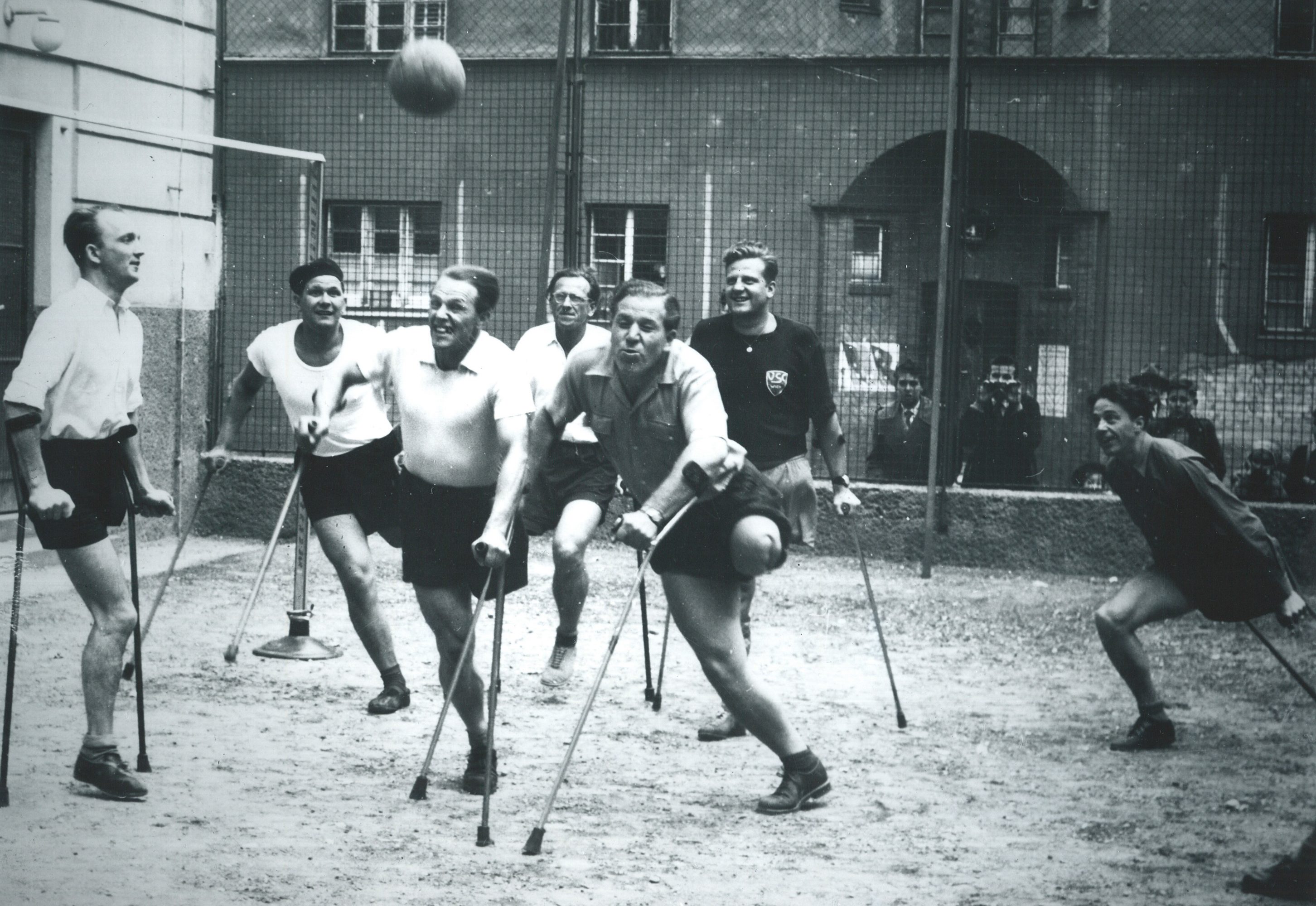
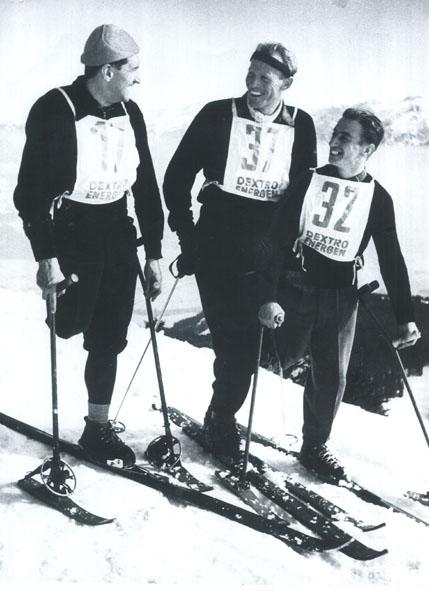
Pioneers of disabled skiing in the war victims association. Source: https://obsv.at/verband/chronik

Note by Trevision: The importance of sports for a self-determined life of people with impairments can already be seen in the founding history of the ÖBSV. In the post-war period, the work of the association was so well received by war-disabled and blind people that many of them voluntarily gave up their war victims’ pensions because they could take on self-responsibility in sport – and see themselves as “valuable” again. At that time, the population did not understand at all why war-disabled people wanted to do sports at all.


Do you like your job in the association?

To be able to advocate for such a sensitive as well as beautiful topic, to be able to give a voice to these great and so multi-faceted disabled people, is actually no longer a job for me, but rather a task that is equally challenging – and daily – as well as wonderful.

Rewards come especially when I can and am allowed to observe how well regular exercise and sports training have an effect on the lives of disabled people, how they literally blossom and can thus better and more easily assert their place in society.

“Personally, I quite like the idea in principle that often the sport finds the prospective athlete with disabilities and not the other way around.”

Which sports is the association dedicated to?

Basically, all popular sports that we know can be practiced and learned by people with disabilities. But there are also exotic ones like e-roller soccer, race running or wheelchair rugby.


Personally, I like the idea that the sport often finds the prospective athlete with a disability and not the other way around, because quite a few people got to know sports through exercise training, a kind of “getting to know”, so to speak.


Note from Trevision: The association does not exclude any disability groups – and therefore no challenges. From mental disability sports to wheelchair sports, sports for the blind and visually impaired or people with technical aids such as prostheses, the individual concerns of the groups are taken into account and specifically addressed by competence bodies.

And what age group is the offer aimed at?

I like to say casually “sports are offered from 6-99”.

Can people without disabilities also benefit from ÖBSV?

There is a clear commitment to the topic of inclusion within the ÖBSV, but it has also always been the case that healthy and disabled people have played sports together through cooperation with other sports clubs.

Trevision’s note: People with mental or physical impairments are left out by the expectation of a high workload in most clubs. The knowledge about the necessary adaptations of training plans or the set of rules is simply missing. Movement trainers* must be trained differently. This already starts in the gymnastics lessons in schools. Here, too, the ÖBSV makes an important contribution and, in cooperation with universities, offers training for coaches as well as training for inclusive sports programs in schools.

Is the ÖBSV only for professional athletes?

No, although the ÖBSV can be very proud of the many participants in international events such as the Paralympics, World Championships and European Championships and the large number of medals, it is the popular and mass sports in the more than 100 sports clubs throughout the country that represent an essential core competence.


Note from Trevision: Since 2003, the association has been legally entitled to federal sports funding and thus secures basic funding. Nevertheless, further income from sponsoring and from generous donors is of enormous importance. In addition to sparingly used expenditures for administrative activities, handicap groups, sports departments, national events, sending to major international sports events and preparations for them, as well as youth and health sports projects and finally the purchase of sports equipment must be secured.

“... I don’t just look at the here and now, but also at everything that still lies ahead.”


Please give us an outlook into the future. What are the most important goals of the ÖBSV in the next 5 years?

More inclusion, strengthening mass sports, making the ÖBSV brand even better known and, last but not least, making sure that we find even more strong partners in the domestic industry who not only think this is a great path, but also want to accompany and support it.

My wish for the partnership with Trevision is that it will be equally inspiring and fruitful for both sides. I am not only looking at the here and now, but also at everything that still lies ahead of us and I am looking forward to many steps that we can take together.


Thank you very much for the interview!

Just like Marco Girardi, we are looking forward to an inspiring time together and would like to thank you once again for the opportunity to support this important topic as a sponsor.

Sublimation printing: Brilliant large-format printing as a real eye-catcher

BLOG
General

Sublimation printing: Brilliant large-format printing as a real eye-catcher

2. June 2021

Sublimation printing is one of the most popular printing processes when it comes to producing large-format textile advertising spaces. Read here how the printing process works, which advantages it offers and in which areas it can be optimally used!

What is sublimation printing?

The special feature of this process is that the ink is vaporized, i.e. sublimated, into the material to be printed. For this reason, this printing method is called sublimation. TREVISION can use this printing method on textiles made of polyester (at least 60-70%).

In principle, it is also possible to print on other materials such as cotton. However, this requires other inks and machines.

What materials are used in large format textile printing?

Sublimation printing uses special water-based inks that immediately change to a gaseous state under high pressure and heat. The decorative fabric must contain at least 60 to 70 percent polyester so that the ink can react with the base material.

TREVISION produces large format image products by direct printing on a polyester mesh with approx. 200g/m². The polyester materials are available in a wide variety of haptic finishes, including structures very similar to PVC mesh. Already more than half of our decorative fabrics are also made of recycled polyester.

The printing materials for sublimation printing are up to 3.2 meters wide and versatile with individual textile frame systems. If larger formats are required, they are sewn together from several images.

Sublimationsdruckmaschine

How does sublimation large format printing work?

The printing process takes place in two steps, as the color quality directly after printing does not yet have the desired color saturation and color depth. Only after fixing the color pigments do you get the final color result in high quality.

1. Design printing

In the first step, the design is printed onto the polyester textile using sublimation inks. The decorative fabric then runs through a dryer to draw the water out of the fabric by evaporation. The dye of the ink remains in solid form in the textile.

2. Fixation

This is where sublimation comes into play. Under high pressure and at a temperature of around 190°C, the solid dye transforms into a gas. At the same time, the pores of the polymer open up. The dye can now penetrate the fibers of the fabric as a gas and combine with them.

When the temperature drops, the pores close, the gas returns to the solid state and is now part of the polymer. This is also the reason why sublimation cannot be done on natural materials like 100% cotton. Natural fibers do not have pores that open.

What are the advantages of sublimation printing?

With sublimation, decorative fabrics can be printed in very high quality. Since it is a digital printing process, all imaginable colors are possible. The result is a color-brilliant print that is versatile. The greatest advantages lie in the following properties:

  • Odorless: Sublimation prints are odorless and solvent-free – a big advantage indoors!
  • High durability: Since the inks are anchored in the textile fibers, the ink application itself cannot be rubbed off. Unlike other printing processes, the textile and thus the print remain durable for a longer period of time (wash resistance).
  • Handling: Sublimation prints are easy to fold up because there is no ink adhering to the surface that could break or be rubbed off. This results in very small transport dimensions.
  • Covering large areas: Decorative fabrics can be used to cover large areas. Individually designable profile systems with textile coverings make it possible.
  • Easy mounting: The frame systems, with and without LED backlights, can be mounted without tools and in an uncomplicated way.
The Italian Wiener Neustadt Lichtdecke

For which applications is large-format textile printing suitable?

Sublimation printing is mainly used indoors. High color brilliance and odor neutrality make the fabric prints attractive as decoration, background and room divider for use in store design and event areas (e.g. retail, trade fairs, congresses, exhibitions, stage design). For outdoor use, sublimation printing is only suitable to a limited extent. The material itself is very robust, but as with all fabrics, the decorative fabric quickly absorbs dirt and can thus impair the appearance.

How does the profile system for large-format textile printing work?

A silicone welt is sewn all around the individual fabric prints. This allows the prints to be simply pressed into the profile and can thus be changed quickly and easily. The frameless look of the TREVISION systems puts the motif in the center of attention – without any annoying mounting techniques! For large formats, the profiles have an inwardly inclined keder mount. This strengthens the fixation of the textile print in the frame.

Conclusion: sublimation printing for interior design

Sublimation produces the most durable and brilliantly colored print. Especially due to its odorless property, sublimation printing is perfect for large-format image design of indoor sales and presentation areas. A dedicated Trevision Smart Store concept team develops large-format complete solutions for this area of application – from planning to implementation and installation of the lighting and framing solutions. For more information and specific questions about sublimation printing, please contact us!

Let’s green up! Challenges and pathways towards a greener industry

BLOG
General

Let’s green up! Challenges and pathways towards a greener industry

17. December 2020

Writing “green” on your portfolio? Easy. But actually making a change? It’s crucial to know the difference. Read on to find it out.

Getting green: What’s the challenge?

Let’s be honest: a lot of “greening” is mainly, well, marketing. Offering a product line with a focus on sustainability? Fine, but what about the remaining assortment? Introducing alternative materials? Fair, but is “alternative” synonymous with “green”? Measures of this kind sound promising but often stay superficial. The real challenge is to look beyond empty words. And to actually make a change.

We’re also in textile print industry, as you know. An industry that is mostly built up on synthetic fibers. The issue: these PVC materials are not biodegradable. They don’t decompose. And that’s why the pressure to switch to alternative materials is growing. Recycled materials, for example. Sustainable fibres and cloth that reduce our ecological footprint.

But such materials aren’t easy to develop. Due to their different composition, they’ve got different properties – and consequently, they’ve got to be processed differently as well. This necessitates a lot of testing, and testing is expensive. Textile manufacturers won’t invest in it just because we demand it. Our sector is in the range of a few thousandths – the majority of textiles are produced for the clothing industry. It’s them who’ll have to drive innovation. Only then, manufacturing will change.

Step by step towards a greener industry

Does this mean that we’re just sitting back, waiting for the clothing industry making their move? — Of course not. We’re continuously working on doing our bit. The bit that we can contribute to making a greener world. 

Some steps we’ve already taken. We’ve got a whole range of alternative products – recycled materials for our textile frames, for example. Or truck tarpaulins that are free from PVC. We’re testing with wood fibers and organic cotton, and we’re in constant communication with our subcontractors to enhance sustainable development.

Nahaufnahme Textilfaser

The goal may be ambitious: for every application we offer, we aim to have a green alternative. Starting point? Next year, first quarter. But we’re confident we’ll get there in time: We’re constantly on the lookout for new “green” products, and we’re in touch with environmental organisations to ensure we make the right choices.

Greening through digitalisation

But there are less obvious ways of getting greener, too. Ways that take a step away from producing new materials. Ways that focus on reducing resources altogether. One possibility of doing so is by optimising the ordering process. Why? Because ordering too much isn’t only more expensive for the client. It also results in overproduction, and consequently uses up more resources – something we seek to avoid.

Our digital management system allows clients to order more precisely. A specialised software, both cost-effective and environmentally friendly. It helps avoid an unnecessary waste of resources, regarding both production and delivery. This “greening” may not be as visible, as self-evident as a label blatantly saying “sustainable materials used”. But it works towards the same goal. And it’s this accumulation of steps, as different as they may be, that will lead us to this common objective. You just have to get creative. And that’s what we love to do.

Digitalisierung Kunde Meeting

Fleet media: How does an advert fit on a truck?

BLOG
General

Fleet media: How does an advert fit on a truck?

12. November 2020

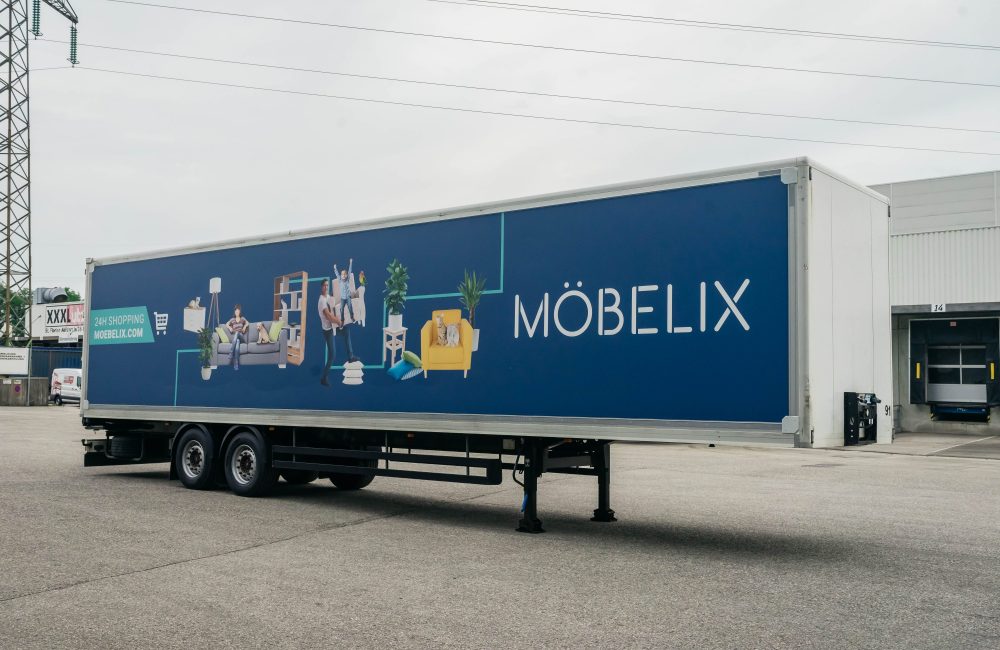
On highways and country roads, occasionally one’s passing by in the middle of town: there’s hardly a day without seeing a truck. Hardly a day without noticing their sales messages, placed big and bold on the trailers. But how does an advert fit on a truck? That’s the question we’re going to answer in today’s blog. With a glimpse behind the scenes that goes beyond what you’ve seen so far.

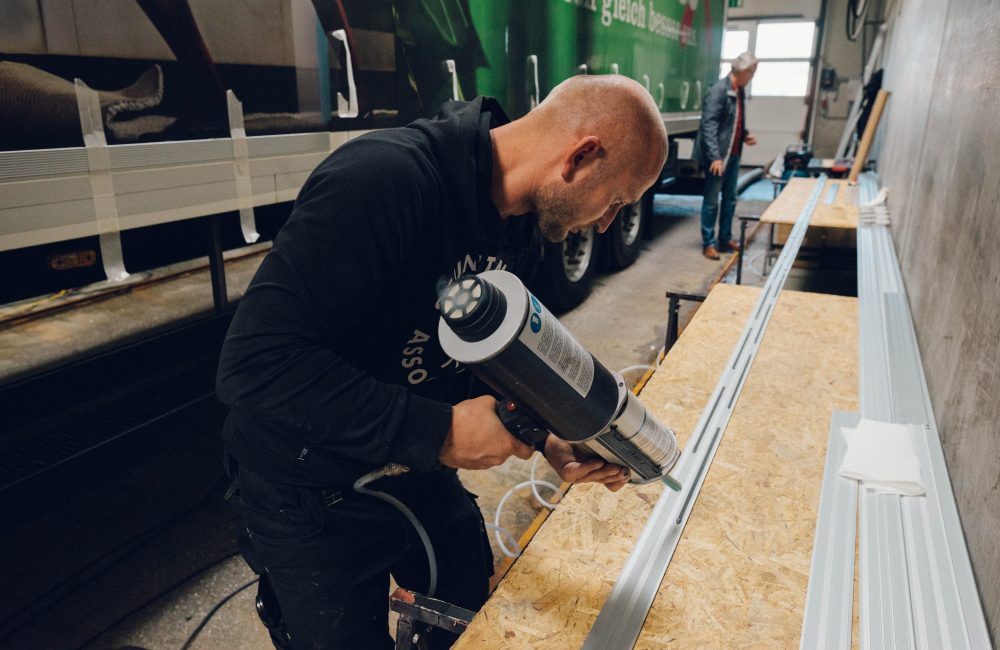
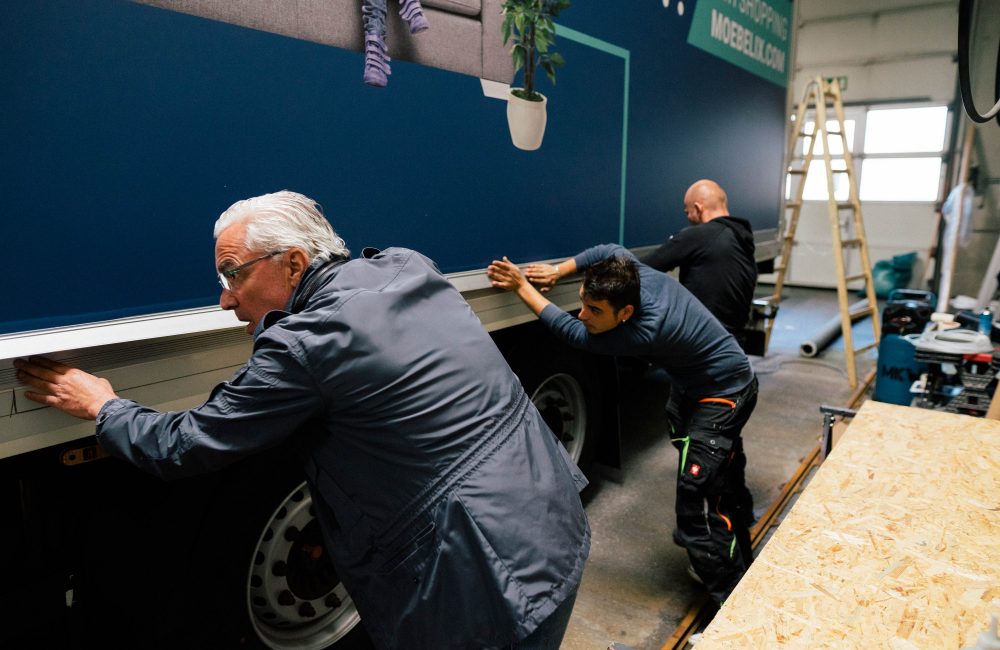
“A little bit further! … We’re nearly there!” – Wolfgang Nezwal’s voice is determined, his eyes focused. Right down to the millimetre he’s pushing the slat against the trailer. It’s a task that demands a sure instinct. An instinct for the way in which each slat is glued on, precisely tailored. Until the whole truck is clothed into a complex framing system.

Tackling the task together: it’s teamwork that leads to the desired result.

Now it’s time to wait a little. The special adhesive needs to dry. Nezwal uses the time to speak about the beginnings of the process: “Originally there was one of these typical foliations on the track. First of all, we needed to get rid of that.” With a hot air blower, the adhesive was released bit by bit, until the foliation could simply be peeled off. And created the room for something new. Time and again. With a flexible system that turns the track into a convertible advertising channel.

But how does this actually work? As soon as the adhesive has dried and the framing system is mounted on the track, Nezwal starts his demonstration. The motive has been chosen, the fitting counterparts to the frame are fastened to the printed tarpaulin. Then it’s drawn into the rills of the system – and tightened around the track. This needs a lot of strength: “All together!” Nezwal’s voice permeates the room. A few minutes later, the motive is securely fixed. With a tension that would be hard to increase any further: if you brush the mounted image with your fingers, it feels like touching a solid wall.

Fuhrpark Media Rahmen wird auf LKW montiert
Precision and highest concentration: that’s the normal procedure

The big advantage over the foliation is obvious: as soon as the framing system is installed, the motive can be changed at a moment’s notice. Within a few minutes. Without having to create the right temperature conditions before, as you’d need to for a foliation. This turns adapting sales messages into a simple task – and it’s similarly simply to carry them through the whole country, on the company’s own vehicles: The trucks are immediately ready again to go back on the road. The whole fleet has become a flexible advertising channel. Flexible – and, at the same time, economic: it’s not necessary to lease any additional ad space. This part is taken over by the trucks themselves. And if a certain motive is to be displayed a second time, the production costs are zero as well: the tarpaulin can be stored and reused at any time.

And where are those motives coming from? After all, they’re much more than simple flyers. They’re largely oversized prints. Who ensures their quality? Perhaps you already know the answer: “It’s us, of course,” Nezwal chuckles. TREVISION isn’t only offering the framing systems. TREVISION is offering the overall package. From planning via mounting through to ongoing servicing – including ongoing renewals. Because just staying where we are, that’s never been our cup of tea.

Timelapse video of the assembly of the system including the subject covering

YouTube

Mit dem Laden des Videos akzeptieren Sie die Datenschutzerklärung von YouTube.
Mehr erfahren

Video laden

How to Grow From a Crisis

BLOG
General

How to Grow From a Crisis

9. October 2020

We haven’t been spared from the crisis. Nobody has. But we haven’t let it get us down either. Jürgen Marzi, CEO of TREVISION, speaks about why it’s so important to stay active, to stay seen – and how to do it in times of a crisis.

A sudden lockdown that would massively affect all kinds of businesses around the world: when did you realise the scope of the crisis?

To be honest with you, it was only about a week before the lockdown when we fully realised what was going on. There was the situation in China, yes, but it still seemed nearly impossible to imagine that something like this could happen to us, here in Austria. I don’t think anybody really knew how serious this crisis was going to be, for all of us.

What were the biggest challenges you had to overcome as a company?

The suddenness of the crisis made it essential to act quickly – to react to the changed circumstances in a way that both reduced costs and kept the company going. It was clear to us from the beginning that we couldn’t just save expenses wherever possible. The entrepreneurial spirit had to be carried on, we still needed to be active to be seen and heard. Otherwise we wouldn’t be able to minimise the inevitable financial losses. And of course, this also needed to be communicated to the staff. It was important to radiate a certain sense of security, to show that you’ve got a plan. And I’m pleased to say that our crisis plan worked pretty well.

You’ve mentioned entrepreneurial spirit – something quite difficult to keep in mind while tackling with a massive economic slump. How did you manage to deal with this crisis in a more active way?

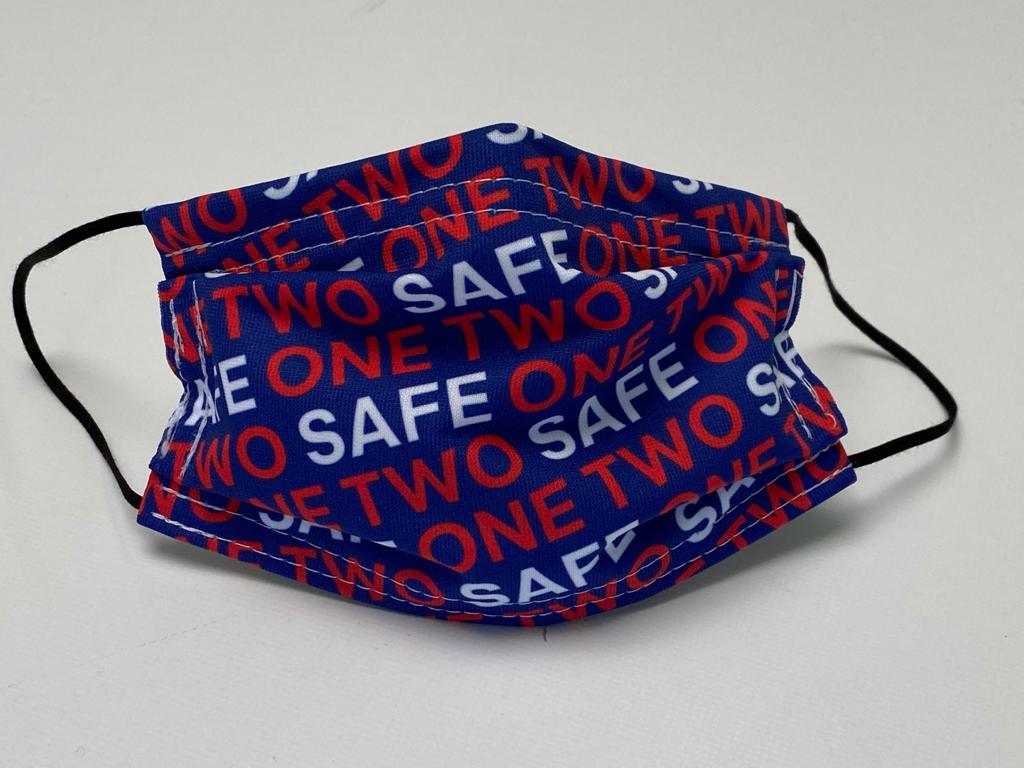
In an unpredictable situation like this, a situation that is new to everyone, it’s key to think flexibly – not to continue with business-as-usual but to look for alternative ways. All the new products that were suddenly made necessary through the crisis opened up a whole new trade margin. But for us it was important to find something that we couldn’t just trade in – we were looking for something that we could actually produce. And that’s how the idea for the production of masks emerged. This was still in the early stage of the crisis, when most enterprises were struggling to find a supply of masks. But we were already able to produce them, imprint them, personalize them, for example with our clients’ logos. In the first months, this helped us to save expenses and reduce financial losses to a considerable extent.

How did you communicate your new product to your clients?

Classically with a newsletter. We outlined the products graphically and sent all the necessary information to our clients, communicating what we could offer right at that moment. And I’m telling you – our newsletter had never worked this well. We’ve got a lot of clients in the retail sector who were genuinely appreciative of our offer, who were glad to have found an opportunity to bulk up on masks. After all, nobody had been prepared for what was happening. But we reacted quickly to create a product and bring it to market, and this definitely paid off in the form of good and quick returns.

But masks weren’t the only new product you came up with. What’s behind “print4fans”?

Our mask production turned out to be a great success, but we didn’t want to rest on our oars. We were keen to think further: are there any other products that we can produce to ease the effects of the crisis? Not only for us but also for other sectors? We’ve got quite a few sports enthusiasts in our team, so we were aware of the fact that sports clubs were also suffering from the ramifications of the crisis. This is how we came up with the idea for print4fans. It’s a new software that allows sports clubs to create personalized merchandise products. Some of these items are produced by us, for others we generate the necessary data. There are endless possibilities. You just have to think of them, to think situationally – and, of course, innovatively. That’s the mindset that’s brought us through this crisis. And that’s the mindset you’ll always need.

30 years of Trevision – a story to remember

BLOG
General

30 years of Trevision – a story to remember

1. October 2020

Do you know this feeling? You’re at a bar or a meeting, chatting away pleasantly, and then this guy comes up to you and says, “So what’s your story?”

And you’re a little caught off guard and you say something like, uh, we’re an international provider of large format digital printing, realising complete solutions for various kinds of brands. Which is true, of course. But it doesn’t say anything about who you really are either.

Well, we’ve reached the age of 30 now and we’ve decided that it’s time to put an end to this. So if you are that guy, here’s the answer to your question. We are Trevision. And this is our story.

It is the result of 525 employees, over 115 detailers and engineers, all coming together to solve problems before they arise.

And so it begins …

At the outset there was an idea. The idea to make things more visible. To use a completely new medium and create visual brand experiences that were impossible to overlook. In an XL format that was by no means standard back then.

Back then, that was in 1990. The year that should mark the beginning of a story that is continued to be written today. Its main protagonist: Heinz Wikturna, founder of the Trevision family, who embarked on the realization of his vision with only one employee. This vision should soon assume shape – and grow rapidly over the next decades.

Of course it wasn’t possible to predict this back then. The foundation of a company operating in a market that didn’t yet exist: naturally, it was a risk. But a risk Heinz was willing to take. And as we’ll see, this willingness to give things a go, to adapt and change, to reinvent oneself – these characteristics are woven into the story of Trevision like a golden thread, inevitably leading to the success our company is enjoying today.

’’We create visual brand experiences in an XL format.‘‘

Meeting challenges with solutions

The first few years weren’t easy or straightforward. It’s a no-brainer that new things are usually met with skepticism – clients still had to be made aware of the advantages of large-scale solutions. In fact, a decisive factor in these early years was to create an awareness of the sheer existence of such new possibilities.

Such an undertaking needs a conclusive strategy. And this was perhaps our company’s strongest point. Instead of simply offering the production of large formats, Trevision opted to provide clients with the full package. Not only images but also the necessary mounting systems – the appropriate framing for every single project. In short: end-to-end solutions, supporting the client at every step of the way. And consequently making the transition to a new way of advertising much, much easier.

Change? Always welcome!

This ability to see through the client’s eyes, to understand what the client needs, represents a crucial plotline in the company’s success story. Combined with the readiness to change and adapt, it has continuously paved the way for new directions.

By 2000, Trevision had already become one of the leading companies in outdoor advertising in the German-speaking world. But the focus began to shift. Slowly but unstoppably. With the rapid development of technological means, digital solutions gained more and more importance – and so did digital printing for indoor advertising. At this point, Heinz’ son Martin Wikturna joined the senior management team, assuming the responsibility for the entire production process.

We got the power! With an average print volume of 1500m2 per hour

So the focus within the company started to shift as well. Instead of holding on to what we’d been doing for the preceding decade, Trevision decided to go further than that – and soon got a foothold in the world of indoor advertising. Not only in the German-speaking world but all around the globe. It was Jürgen Marzi, back then still sales director of Trevision, who began to build up this chapter: a chapter that has reached until today.

No end in sight

But of course the company’s advancement didn’t stop with that. Since Jürgen took over as CEO in early 2015, Trevision has established themselves in various further areas – from the development of smart store concepts to tailor-made software solutions. And we have continued to grow: from a 5-men business to currently over 100 colleagues, working together on a shared vision.

Heinz Wikturna and Jürgen Marzi and in between 30 years of Trevision history.

But no matter how much we’ve changed: what’s remained is our openness, our flexibility, our willingness to reinvent ourselves time and again. We always think in a customer-oriented way, and we love to fill a market niche before it’s even discovered. This has helped us through difficult times such as the current Corona crisis – instead of burying our heads in the sand, we focussed on new products, on gaining new markets. Always flexible. Always innovative. And we guess that’s what it is that makes us Trevision.